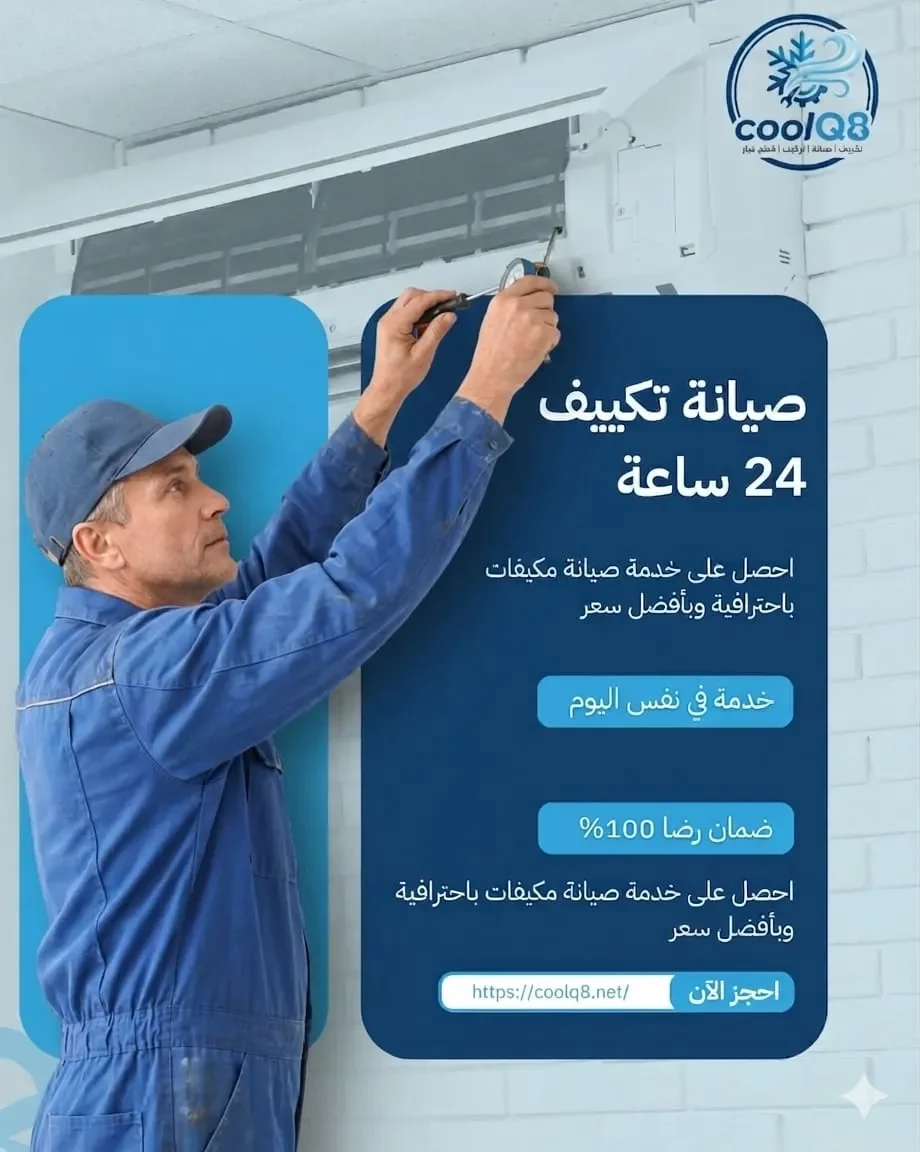
Periodic AC Maintenance Kuwait
An air conditioner does not wait until it completely fails before indicating that it needs maintenance. In most cases, small warning signs appear long before major breakdowns occur, provided that the system is inspected regularly. In Kuwait, where air conditioners operate for long hours throughout most of the year, periodic maintenance is no longer optional but an essential part of preserving cooling performance, reducing electricity consumption, and preventing unexpected failures during the hottest days of summer. Many homeowners believe maintenance only means repairing faults after they occur, while in reality preventive maintenance saves substantial repair costs over time. In this guide, we explain the importance of regular maintenance, how to create an effective maintenance schedule, and the best times to inspect your air conditioner to ensure maximum performance throughout the year.
Periodic Air Conditioning Maintenance in Kuwait
Periodic Air Conditioning Maintenance in Kuwait is one of the most important practices for preserving the performance of air conditioning systems under the country's extremely high temperatures and prolonged operating hours throughout the year. Continuous operation gradually leads to dust accumulation inside air filters and cooling coils, while electrical components, fan motors, and mechanical parts naturally experience wear over time. These gradual changes reduce cooling efficiency and increase electricity consumption long before homeowners notice obvious symptoms. For this reason, periodic maintenance is not simply intended to repair existing faults but to prevent them from developing in the first place.
Professional Periodic Air Conditioning Maintenance in Kuwait begins with a comprehensive inspection of every major component within the HVAC system. This includes cleaning air filters, washing evaporator and condenser coils when necessary, measuring refrigerant pressure, checking compressor electrical current, inspecting electrical connections, testing condensate drainage, evaluating sensors, and verifying the performance of indoor and outdoor fan assemblies. These detailed procedures allow technicians to identify developing issues before they become expensive failures requiring compressor replacement or major electrical repairs.
Extensive field experience throughout Kuwait consistently demonstrates that customers who regularly perform Periodic Air Conditioning Maintenance in Kuwait experience significantly fewer unexpected breakdowns than systems serviced only after failures occur. Regular maintenance also contributes to noticeably lower electricity consumption, more stable cooling performance, improved indoor comfort, and substantially longer equipment lifespan. Rather than being viewed as an additional operating expense, preventive maintenance should be considered a valuable investment that protects the HVAC system while reducing long-term ownership costs.
Air Conditioner Maintenance Schedule
Creating an Air Conditioner Maintenance Schedule is one of the most effective ways to keep an HVAC system operating reliably throughout the entire year. Waiting until problems appear almost always results in higher repair costs than following a structured preventive maintenance plan. Maintenance schedules vary according to equipment type and operating conditions. Air conditioners running daily for extended hours require more frequent inspections than systems used only occasionally. Professional HVAC companies therefore develop maintenance schedules that include monthly inspections, seasonal servicing, and comprehensive annual evaluations according to the customer's actual usage requirements.
A professional Air Conditioner Maintenance Schedule normally includes routine filter cleaning, cooling coil inspections, condensate drainage verification, refrigerant pressure measurements, temperature monitoring, electrical system testing, lubrication of moving components when necessary, and complete evaluation of compressor and fan performance. Each maintenance visit is documented so technicians can compare current operating data with previous inspection records. This historical analysis helps identify gradual performance deterioration before it develops into a major mechanical failure requiring costly repairs.
Practical HVAC experience consistently proves that following a structured Air Conditioner Maintenance Schedule dramatically reduces the likelihood of unexpected equipment failures during Kuwait's summer season. Since developing problems are identified during routine inspections rather than after complete system failure, customers enjoy more reliable cooling, improved scheduling flexibility, faster maintenance appointments, and significantly lower long-term operating costs.
Regular Air Conditioner Inspection
A Regular Air Conditioner Inspection represents one of the most valuable components of preventive HVAC maintenance because it evaluates the technical condition of the equipment even when no obvious problems are present. Many air conditioning failures begin with subtle changes that homeowners rarely notice, including slightly elevated operating pressure, gradually increasing electricity consumption, reduced airflow, partial drainage blockages, or small deviations in compressor performance. Identifying these warning signs early allows technicians to correct minor issues before they develop into expensive system failures requiring extensive repairs.
A professional Regular Air Conditioner Inspection includes refrigerant pressure measurements, supply and return air temperature analysis, compressor electrical testing, capacitor evaluation, electronic control board inspection, sensor calibration, electrical connection verification, and monitoring of abnormal vibration or unusual operating noises. Even small changes in operating sound may indicate early wear in fan bearings, motor assemblies, mounting brackets, or rotating components. Early detection through systematic inspection significantly reduces future repair costs while preserving overall system reliability.
The primary advantage of a Regular Air Conditioner Inspection lies in its preventive approach. Instead of waiting for the HVAC system to stop functioning, technicians actively search for developing issues before failures occur. This strategy improves equipment reliability, maintains consistent cooling performance, prevents unexpected summer breakdowns, and gives homeowners greater confidence that their air conditioning system will continue operating efficiently even during Kuwait's hottest weather.
Air Conditioning Maintenance Program
An Air Conditioning Maintenance Program is an essential strategy for homeowners, businesses, and facility managers who rely on air conditioning systems every day. Continuous operation over long periods naturally causes gradual wear on mechanical and electrical components, even when no obvious symptoms are visible. Unlike emergency repairs that begin only after a breakdown occurs, a professional maintenance program follows a carefully planned schedule of inspections and preventive procedures designed to keep every component operating within the manufacturer's recommended specifications. Instead of waiting for expensive failures, technicians continuously monitor system performance and correct small issues before they develop into serious mechanical problems.
A comprehensive Air Conditioning Maintenance Program typically includes routine air filter cleaning, evaporator and condenser coil inspection, refrigerant pressure measurements, compressor electrical current testing, capacitor evaluation, sensor calibration, indoor and outdoor fan inspection, condensate drainage cleaning, electrical connection tightening, and complete system performance analysis. Every maintenance visit is documented in a detailed service report, allowing technicians to compare operating data over time and recognize gradual performance changes that may otherwise remain unnoticed. This historical maintenance record becomes an important tool for predicting component wear and scheduling repairs before unexpected failures occur.
Extensive HVAC field experience consistently demonstrates that following a structured Air Conditioning Maintenance Program provides benefits extending far beyond preventing breakdowns. Proper maintenance reduces electricity consumption, improves indoor air quality, extends compressor life, minimizes emergency repair costs, and ensures stable cooling performance throughout Kuwait's demanding summer season. This is why hotels, hospitals, office buildings, shopping centers, and industrial facilities all rely on scheduled maintenance programs as a fundamental part of their building management strategy.
Preventive Air Conditioner Maintenance
Preventive Air Conditioner Maintenance is based on one simple but highly effective principle: solving problems before they become expensive equipment failures. Rather than waiting until the compressor stops operating or electrical components fail completely, preventive maintenance identifies small performance changes during their earliest stages. From both technical and financial perspectives, preventive maintenance is considerably more economical because correcting minor issues always costs less than replacing major HVAC components after catastrophic failure.
Professional Preventive Air Conditioner Maintenance includes a comprehensive range of engineering procedures such as cleaning air filters and cooling coils, measuring refrigerant pressures and operating temperatures, inspecting electrical circuits, testing indoor and outdoor fan performance, verifying mounting stability, checking for refrigerant leakage, cleaning condensate drainage systems, and confirming that all operating parameters remain within manufacturer specifications. Every inspection is designed to maintain maximum cooling efficiency while reducing unnecessary stress on the compressor and other critical refrigeration components.
Practical field experience consistently proves that implementing Preventive Air Conditioner Maintenance on a regular basis dramatically reduces unexpected breakdowns during Kuwait's hottest months when HVAC systems operate under maximum demand. Preventive maintenance improves cooling speed, reduces electricity consumption, preserves indoor air quality, extends equipment lifespan, and significantly lowers long-term repair costs. For customers seeking dependable year-round cooling, preventive maintenance remains one of the most valuable investments they can make in protecting their air conditioning systems.
Air Conditioner Maintenance Timing
Many homeowners mistakenly believe that the Air Conditioner Maintenance Timing should be scheduled only after cooling problems become noticeable. In reality, HVAC manufacturers consistently recommend performing preventive maintenance before the beginning of the heavy cooling season rather than after equipment performance has already deteriorated. In Kuwait, where air conditioners experience their highest workload during the summer months, spring represents the ideal period for complete inspection and preventive servicing. Performing maintenance before temperatures rise allows technicians sufficient time to identify developing issues, complete necessary repairs, and ensure that every component operates at peak efficiency before continuous summer operation begins.
The appropriate Air Conditioner Maintenance Timing also depends on actual equipment usage. Air conditioning systems installed in villas, commercial buildings, offices, restaurants, shopping facilities, and other continuously occupied properties require more frequent inspections than residential units operating only for limited daily periods. Environmental conditions also influence maintenance frequency because properties exposed to heavy dust, construction activity, or airborne contaminants require more regular filter cleaning and cooling coil inspections to maintain proper airflow and efficient heat exchange.
Choosing the correct Air Conditioner Maintenance Timing provides substantial operational advantages throughout the entire cooling season. Preventive maintenance completed before summer reduces the likelihood of emergency repairs during peak demand periods, allows faster scheduling while HVAC service companies are less congested, ensures better availability of replacement parts when necessary, and gives customers confidence that their air conditioning systems will continue delivering reliable cooling performance throughout Kuwait's hottest months.
Air Conditioning Maintenance Follow-Up
Air Conditioning Maintenance Follow-Up is the stage that distinguishes professional HVAC maintenance from basic repair services because successful maintenance does not end once the technician finishes cleaning or replacing components. Instead, professional service includes monitoring the air conditioner's performance after maintenance to verify that every operating parameter remains stable over time. Certain technical issues may temporarily disappear after servicing but return later if refrigerant pressure, operating temperatures, electrical current, or airflow performance are not continuously evaluated. For this reason, experienced HVAC companies establish structured follow-up procedures to ensure that the system continues operating at the same level of efficiency achieved immediately after maintenance.
Professional Air Conditioning Maintenance Follow-Up includes reviewing previous maintenance records, comparing new operating measurements with historical performance data, and evaluating any observations reported by the customer during daily operation. These observations may include slower cooling, unusual operating noises, increased electricity consumption, inconsistent room temperatures, or unfamiliar odors. Technicians also re-evaluate components that were previously repaired while carefully inspecting related systems that could gradually develop wear even without obvious symptoms. This continuous monitoring allows developing problems to be corrected while they remain minor instead of allowing them to become major equipment failures requiring expensive repairs.
Extensive practical HVAC experience demonstrates that consistent Air Conditioning Maintenance Follow-Up significantly improves long-term equipment reliability. Small operational changes are addressed immediately before they evolve into serious malfunctions, reducing the likelihood of unexpected breakdowns during Kuwait's hottest summer days. Customers benefit from greater confidence knowing that their air conditioning systems are being monitored regularly, resulting in stable cooling performance, fewer emergency repairs, and greater overall system dependability throughout the year.
Seasonal Air Conditioner Maintenance
Seasonal Air Conditioner Maintenance is one of the most important preventive maintenance services in Kuwait because air conditioning systems experience dramatically different operating conditions throughout the year. During certain months, equipment may operate only occasionally, while during the summer season many systems function almost continuously for extended periods every day. Seasonal maintenance prepares the air conditioner before these demanding operating conditions begin by performing a complete inspection and deep cleaning of every component that directly affects cooling efficiency under maximum workload.
A comprehensive Seasonal Air Conditioner Maintenance service includes cleaning evaporator and condenser coils, washing or replacing air filters when necessary, measuring refrigerant pressure, verifying operating temperatures, testing compressor performance, inspecting fan motors, checking electrical connections, cleaning condensate drainage systems, and confirming that every component complies with manufacturer operating specifications. The objective is to ensure that the entire HVAC system is fully prepared to withstand prolonged operation without performance deterioration or unnecessary energy consumption once peak summer temperatures arrive.
Field experience consistently shows that Seasonal Air Conditioner Maintenance dramatically reduces the number of unexpected equipment failures that commonly occur at the beginning of the summer season. Most developing mechanical and electrical problems are discovered and corrected before they interrupt cooling performance. Seasonal maintenance also improves cooling speed, reduces compressor workload, enhances indoor air quality, and increases overall system reliability, making it an essential service for homeowners and businesses preparing for Kuwait's long and demanding cooling season.
Best Time for Air Conditioner Maintenance
Many customers ask about the Best Time for Air Conditioner Maintenance, and the answer depends primarily on preventing problems rather than reacting to them after they occur. The ideal maintenance period is before the beginning of the summer season because the air conditioner has experienced relatively lighter operation during previous months and can be thoroughly inspected before heavy cooling demand begins. Scheduling maintenance during spring allows technicians to identify and repair developing issues while there is still sufficient time to complete all necessary work before continuous summer operation places maximum stress on the HVAC system.
The Best Time for Air Conditioner Maintenance also depends on actual operating conditions throughout the year. Air conditioning systems installed in villas, commercial buildings, retail stores, restaurants, offices, and facilities operating continuously require more frequent inspections than residential units used only for limited daily periods. Environmental factors also influence maintenance timing because areas exposed to heavy dust, sand, construction debris, or industrial activity require more frequent filter cleaning and cooling coil maintenance to preserve unrestricted airflow and efficient heat transfer.
Choosing the Best Time for Air Conditioner Maintenance has a direct impact on system reliability throughout the cooling season. Completing preventive maintenance before summer ensures that every HVAC component operates at maximum efficiency when outdoor temperatures reach their highest levels. Customers also avoid long waiting periods that commonly occur during peak service demand, enjoy faster appointment scheduling, and have greater access to replacement parts if repairs become necessary. Most importantly, early maintenance provides confidence that the air conditioning system will deliver dependable, energy-efficient cooling throughout Kuwait's hottest months.
Maintaining Air Conditioning Efficiency
Maintaining Air Conditioning Efficiency is the ultimate objective of every preventive maintenance program because an air conditioner operating at peak efficiency delivers stronger cooling, consumes less electricity, experiences lower mechanical stress, and provides many additional years of reliable service. Achieving this level of performance requires far more than occasional filter cleaning. Long-term efficiency depends on a complete maintenance strategy that combines scheduled inspections, preventive servicing, performance monitoring, and immediate correction of any developing technical issue. Every component inside the HVAC system influences the performance of the others, meaning that neglecting even one small issue can gradually reduce overall system efficiency despite the air conditioner continuing to operate.
Professional Maintaining Air Conditioning Efficiency includes regular filter cleaning, evaporator and condenser coil maintenance, refrigerant level verification, fan motor inspection, electrical system testing, condensate drainage cleaning, compressor performance evaluation, and monitoring of any changes in operating sound, cooling speed, or electricity consumption. These early warning signs frequently reveal developing problems long before complete equipment failure occurs. Addressing these issues promptly allows the air conditioner to continue operating at manufacturer-designed performance levels despite Kuwait's challenging environmental conditions.
Years of practical HVAC experience consistently prove that Maintaining Air Conditioning Efficiency delivers significant financial and operational benefits. Efficient air conditioners require less electrical energy to achieve the desired indoor temperature, reduce compressor workload, extend equipment lifespan, minimize emergency breakdowns, improve indoor comfort, and substantially lower long-term maintenance expenses. For these reasons, regular preventive maintenance should never be viewed as an additional operating cost but rather as one of the most valuable investments in protecting the performance, reliability, and lifespan of any air conditioning system.
Conclusion
Committing to Periodic Air Conditioning Maintenance in Kuwait has become an essential requirement for maintaining reliable HVAC performance under Kuwait's demanding climate conditions. Whether you are establishing an Air Conditioner Maintenance Schedule, performing a Regular Air Conditioner Inspection, implementing an Air Conditioning Maintenance Program, investing in Preventive Air Conditioner Maintenance, selecting the proper Air Conditioner Maintenance Timing, carrying out Air Conditioning Maintenance Follow-Up, scheduling Seasonal Air Conditioner Maintenance, determining the Best Time for Air Conditioner Maintenance, or focusing on Maintaining Air Conditioning Efficiency, every one of these preventive measures contributes to lower electricity consumption, fewer unexpected breakdowns, longer equipment lifespan, and consistently superior cooling performance. Investing in preventive maintenance today significantly reduces future repair costs while ensuring dependable comfort throughout every cooling season.
Frequently Asked Questions
How often should an air conditioner receive preventive maintenance?
A complete preventive maintenance service should ideally be performed before the summer season, with additional inspections scheduled according to operating hours and equipment usage.
Does periodic maintenance reduce electricity consumption?
Yes. Cleaning system components, verifying refrigerant performance, and maintaining proper operating conditions significantly improve energy efficiency.
What is the difference between preventive maintenance and repair?
Preventive maintenance is performed before problems develop, while repairs are carried out only after equipment failures have already occurred.
Is cleaning the air filters alone sufficient?
No. Professional maintenance also includes refrigerant inspection, electrical testing, cooling coil cleaning, drainage maintenance, compressor evaluation, and complete system diagnostics.
When is the best time to service an air conditioner?
The ideal time is before the beginning of summer so the system is fully prepared for continuous heavy operation.
Does central air conditioning require a different maintenance plan?
Yes. Central HVAC systems require more comprehensive inspections because of their larger capacity and more complex operating systems.
How can I tell whether my air conditioner needs maintenance even if it still works?
Reduced cooling performance, higher electricity bills, unusual noises, restricted airflow, or inconsistent temperatures all indicate that preventive inspection is recommended.
Does regular maintenance increase the lifespan of an air conditioner?
Yes. Early detection of developing problems reduces compressor stress and protects all major HVAC components, significantly extending equipment life.
Can maintenance be performed during the summer season?
Yes, but performing maintenance before summer is preferable because it reduces emergency service demand and ensures the system is fully prepared for peak operation.
Why is preventive maintenance considered an investment rather than an expense?
Because it reduces major repair costs, lowers electricity consumption, preserves cooling efficiency, extends equipment lifespan, and delays the need for expensive system replacement.