AC Running But Not Cooling Kuwait
Weak cooling is one of the most common air conditioning problems experienced by homeowners and businesses in Kuwait, especially during the summer months when outdoor temperatures reach extremely high levels. Many users notice that the air conditioner appears to operate normally, the indoor fan continues running, and air flows from the vents, yet the room temperature never drops as expected. In some cases, the discharged air feels only slightly cool or even warm despite the unit running continuously. Contrary to popular belief, this issue is not always caused by low refrigerant levels. Numerous mechanical, electrical, and operational factors can reduce cooling efficiency, making professional diagnosis essential before any repair is attempted. In this article, we examine the most common reasons why an air conditioner runs without cooling properly, explain how HVAC technicians identify the real source of the problem, discuss situations that can be resolved with simple maintenance, and explain when professional intervention becomes necessary to restore full cooling performance.
Air Conditioner Running but Not Cooling
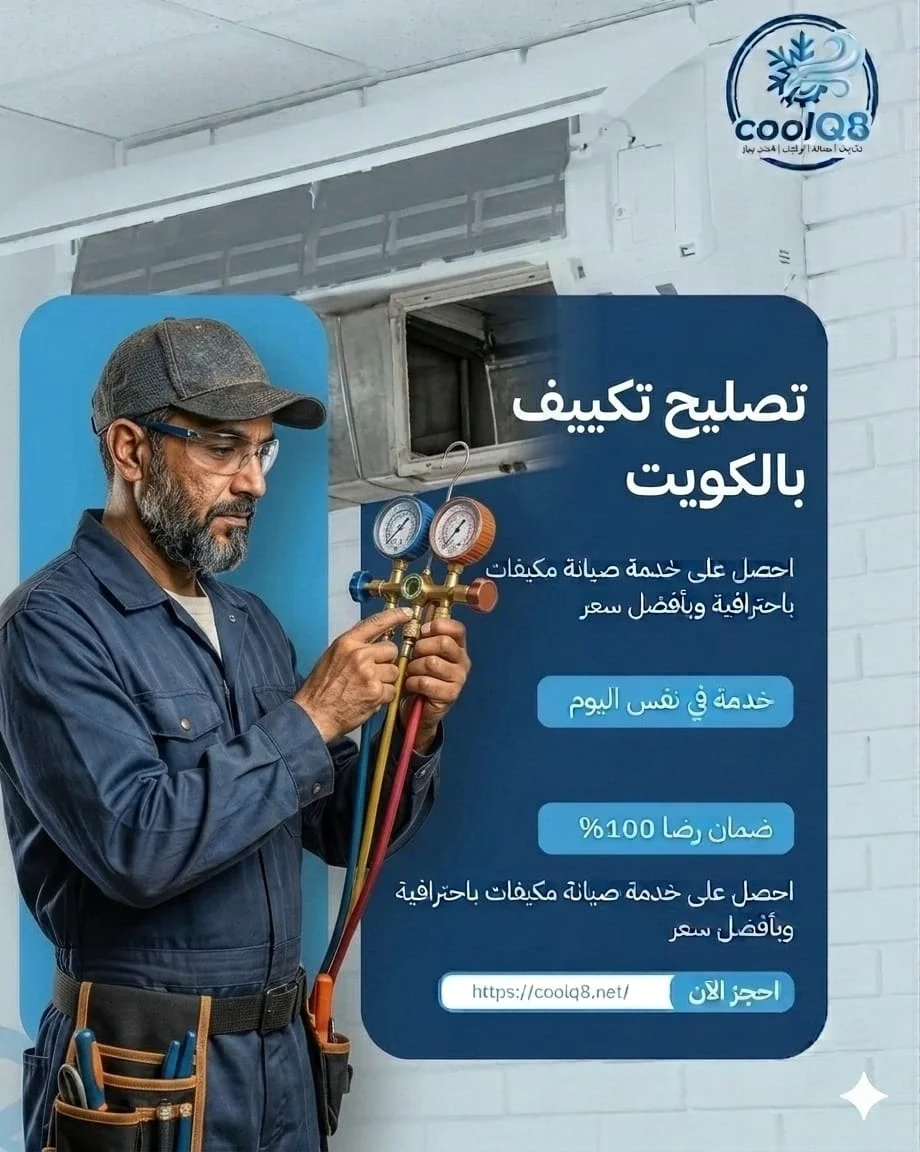
When an Air Conditioner Running but Not Cooling situation occurs, the first thing to understand is that operating fans or an illuminated display do not necessarily indicate that the refrigeration cycle is functioning correctly. Many homeowners assume that the air conditioner is working simply because air is blowing from the indoor unit, while the actual cooling process may have already failed due to problems within the refrigeration system or one of its major components. Professional HVAC technicians therefore begin with a complete system inspection instead of concentrating only on the visible symptom. Refrigerant pressure is measured, compressor performance is evaluated, electrical capacitors are tested, evaporator and condenser coils are inspected for contamination, fan motors are examined, thermostat operation is verified, and electronic sensors are checked to ensure proper communication throughout the system.
Technicians also compare the temperature difference between the return air entering the indoor unit and the conditioned air leaving the evaporator coil to determine whether effective heat transfer is taking place. In many situations the problem may be relatively simple, such as clogged air filters or dirty condenser coils that restrict heat dissipation. In other cases, however, the underlying cause may involve refrigerant leakage, compressor wear, electrical failures, defective control boards, or malfunctioning sensors that prevent the refrigeration cycle from operating normally.
Years of practical HVAC experience consistently demonstrate that correctly diagnosing an Air Conditioner Running but Not Cooling problem at the beginning saves considerable time and repair costs because replacing components without accurate testing frequently results in unnecessary expenses while the original malfunction remains unresolved. For this reason, every professional repair should begin with a comprehensive engineering inspection of the complete HVAC system before any maintenance decisions are made.
Air Conditioner Running Without Cooling
Many property owners experience situations where the Air Conditioner Running Without Cooling continuously operates for several hours while the indoor temperature remains almost unchanged. This is among the most common air conditioning complaints affecting split systems, window air conditioners, and central HVAC installations alike. Professional technicians first verify the operating settings because the system may simply be configured in fan mode rather than cooling mode, or the thermostat temperature may have been set higher than the current room temperature.
If the operating settings are correct, technicians proceed to inspect the refrigeration system by measuring refrigerant pressure, evaluating compressor operation, and confirming that the outdoor condenser fan operates correctly. A failed outdoor fan prevents proper heat rejection, causing excessive refrigerant pressure and dramatically reducing cooling capacity. Condenser coils are then inspected and cleaned if dust accumulation restricts airflow because dirty coils severely reduce the air conditioner's ability to remove heat efficiently. Indoor air filters are also examined because blocked filters reduce airflow across the evaporator coil, making it appear that the unit has stopped cooling even though the refrigeration system continues operating.
Extensive field experience consistently demonstrates that many Air Conditioner Running Without Cooling situations can be resolved through complete cleaning and proper system adjustment. Other cases, however, require refrigerant leak repairs, compressor servicing, electrical component replacement, or more advanced HVAC repairs depending upon the actual source of the problem identified during inspection.
Air Conditioner Blowing Warm Air
An Air Conditioner Blowing Warm Air should never be ignored because continuing to operate the equipment under these conditions may increase damage to major HVAC components. Warm air discharged from an air conditioning system usually indicates a malfunction within the refrigeration cycle or the electronic control system responsible for cooling operation. Professional technicians first inspect the outdoor condensing unit to confirm that the compressor is functioning properly because a compressor failure while the indoor fan continues operating results in room-temperature or warm airflow entering the occupied space.
The technician also measures refrigerant operating pressures because refrigerant loss resulting from system leakage prevents the evaporator coil from absorbing heat effectively. Heat pump systems receive additional inspection of the reversing valve because valve malfunctions may accidentally place the system into heating mode even though cooling has been selected by the thermostat. Electronic sensors, thermostat calibration, communication circuits, and control boards are carefully tested to verify that every component is transmitting the correct operating commands throughout the HVAC system.
Once the actual fault has been identified, the appropriate repair is completed before the air conditioner undergoes comprehensive operational testing. Refrigerant pressures, discharge temperatures, airflow quality, and cooling performance are monitored continuously until the system once again delivers properly cooled air. Years of practical HVAC experience consistently demonstrate that addressing an Air Conditioner Blowing Warm Air immediately prevents unnecessary compressor overload, minimizes repair costs, and restores normal cooling performance before additional equipment damage develops.
Weak Air Conditioner Cooling
Weak Air Conditioner Cooling is different from a complete loss of cooling because the air conditioner still produces cool air, but its cooling capacity is significantly lower than normal. As a result, the room takes much longer to reach the desired temperature or never becomes as cool as it should, even after several hours of continuous operation. Professional HVAC technicians begin by evaluating the entire system rather than focusing on a single component. The temperature difference between return air and supply air is measured, airflow volume from the indoor unit is analyzed, and the cleanliness of air filters and evaporator coils is carefully inspected because accumulated dust greatly reduces heat transfer efficiency. The outdoor unit is then examined to ensure that condenser coils are clean and unobstructed so heat can be released efficiently. Refrigerant operating pressures are measured while compressor performance is evaluated under actual operating conditions to determine whether the refrigeration cycle is functioning correctly.
In some situations, Weak Air Conditioner Cooling is not caused by a mechanical failure at all but instead results from poor air distribution, insufficient cooling capacity for the room size, excessive solar heat gain, or changes in the building's cooling load. In these cases, simply repairing the equipment will not permanently solve the problem unless the overall cooling requirements are evaluated properly.
Years of practical HVAC experience consistently demonstrate that professionally diagnosing Weak Air Conditioner Cooling allows technicians to identify the true cause of reduced performance rather than applying temporary solutions. Accurate diagnosis restores normal cooling efficiency, reduces electricity consumption, and prevents unnecessary replacement of perfectly functional components.
Causes of Weak Air Conditioner Cooling
There are numerous Causes of Weak Air Conditioner Cooling, which is why professional technicians never assume that refrigerant shortage is automatically responsible for every cooling complaint. Reduced cooling performance may result from dirty air filters, contaminated evaporator or condenser coils, refrigerant leakage, compressor wear, malfunctioning outdoor condenser fans, faulty thermostats, defective electronic sensors, blocked condensate drainage causing evaporator icing, or electrical problems affecting compressor operation. Every one of these issues reduces system efficiency in a different manner and therefore requires a different repair procedure.
Installation-related problems can also become important Causes of Weak Air Conditioner Cooling. Refrigerant piping that exceeds manufacturer length recommendations, inadequate pipe insulation, undersized air conditioning equipment, poorly designed duct systems, or incorrect equipment selection may all prevent the system from delivering sufficient cooling capacity even when every mechanical component functions normally. High outdoor temperatures combined with neglected condenser maintenance may further reduce the air conditioner's ability to reject heat, resulting in noticeably lower cooling performance.
Professional HVAC technicians therefore rely on engineering measurements instead of assumptions. Refrigerant pressures, electrical performance, airflow, compressor operation, and temperature readings are carefully analyzed before identifying the actual source of reduced cooling. Years of practical experience consistently demonstrate that accurately identifying the Causes of Weak Air Conditioner Cooling prevents unnecessary repairs, minimizes maintenance costs, and restores the system to its original operating efficiency.
How to Fix an Air Conditioner That Is Not Cooling
Successfully How to Fix an Air Conditioner That Is Not Cooling depends entirely upon the results of professional diagnostic testing because each underlying problem requires a different repair strategy. If dirty filters or contaminated coils are reducing airflow and heat transfer, professional cleaning restores normal operation. If refrigerant leakage is detected, technicians first locate and repair the leak before recharging the refrigeration system with the exact refrigerant quantity specified by the manufacturer. If compressor performance has deteriorated or electrical components such as capacitors, relays, motors, or electronic control boards have failed, each component is individually tested before replacement is recommended.
Professional procedures for How to Fix an Air Conditioner That Is Not Cooling also include verifying thermostat calibration, testing electronic sensors, inspecting indoor and outdoor airflow, measuring electrical current consumption, and monitoring refrigerant operating pressures throughout the repair process. Once maintenance has been completed, the air conditioner is operated continuously while technicians observe discharge temperatures, compressor performance, airflow stability, and electrical operation until every performance measurement returns to manufacturer specifications.
Years of practical HVAC experience consistently demonstrate that the success of How to Fix an Air Conditioner That Is Not Cooling depends primarily upon identifying the true cause of the malfunction rather than replacing components based on assumptions. Accurate diagnosis produces reliable long-term repairs while preventing recurring failures and unnecessary maintenance expenses.
Diagnosing Weak Cooling Performance
Professional Diagnosing Weak Cooling Performance follows a systematic engineering process that begins with gathering information about the problem before any mechanical work is performed because reduced cooling capacity may originate from mechanical failures, electrical faults, refrigeration issues, or incorrect operating conditions. HVAC technicians first ask when the problem began, whether it appeared suddenly or gradually, whether unusual noises have been noticed, and whether previous maintenance has recently been performed. The diagnostic process then continues by measuring the temperature difference between the return air entering the indoor unit and the conditioned air leaving the evaporator to evaluate actual heat transfer efficiency. Refrigerant pressures are measured while compressor performance, electrical current consumption, condenser operation, evaporator condition, blower speed, thermostat calibration, electronic sensors, and control boards are all thoroughly inspected.
Technicians also inspect the refrigeration circuit for refrigerant leakage, evaluate airflow restrictions caused by clogged filters or dirty coils, and examine both indoor and outdoor units for any conditions that could reduce cooling efficiency. Every operating measurement is carefully compared with the manufacturer's engineering specifications before reaching a final diagnosis. No repair decisions are made until every major system component has been properly evaluated using professional testing equipment.
Years of practical HVAC experience consistently demonstrate that accurate Diagnosing Weak Cooling Performance saves considerable repair costs by preventing unnecessary component replacement while ensuring that the true source of the cooling problem is identified and corrected during the first service visit.
Air Conditioner Needs Inspection
In many situations, an Air Conditioner Needs Inspection even when no major failure is immediately apparent because cooling efficiency often decreases gradually over time. Many homeowners first notice the problem only after electricity bills increase or the air conditioner operates continuously without reaching the desired indoor temperature. Whenever cooling performance changes noticeably, professional inspection becomes essential to prevent small issues from developing into expensive repairs.
During an Air Conditioner Needs Inspection, HVAC technicians evaluate the complete refrigeration system, including compressor operation, condenser and evaporator coils, indoor and outdoor fan motors, refrigerant operating pressures, electrical wiring, thermostats, electronic sensors, capacitors, and overall system performance. Airflow measurements, supply and return air temperatures, and electrical current consumption are analyzed to determine whether every component is operating efficiently. Even relatively small issues such as partially blocked condenser coils, deteriorating capacitors, or slightly reduced refrigerant pressure can be identified and corrected before they lead to major equipment failures.
Extensive field experience consistently demonstrates that scheduling an Air Conditioner Needs Inspection whenever cooling performance changes helps preserve system reliability, prevents unexpected breakdowns during extreme summer temperatures, improves energy efficiency, and significantly extends the operational lifespan of the air conditioning equipment.
Repairing Weak Air Conditioner Cooling
Professional Repairing Weak Air Conditioner Cooling requires a repair strategy based entirely upon engineering diagnosis rather than generalized maintenance procedures because similar cooling symptoms often originate from completely different mechanical or electrical problems. If inspection confirms dirty filters or contaminated heat exchange coils, professional cleaning restores proper airflow and heat transfer. When refrigerant leakage is discovered, technicians first locate and permanently repair the leak before recharging the refrigeration circuit according to manufacturer specifications. If compressor efficiency has declined or electrical components such as fan motors, capacitors, relays, control boards, or sensors have failed, each component is individually tested before replacement is recommended.
Throughout Repairing Weak Air Conditioner Cooling, technicians continuously monitor refrigerant operating pressures, compressor temperatures, airflow performance, electrical current consumption, and discharge air temperatures to verify that every repair successfully restores the refrigeration cycle to its intended operating condition. Final operational testing confirms stable cooling performance before the equipment is returned to normal service.
Years of practical HVAC experience consistently demonstrate that successful Repairing Weak Air Conditioner Cooling depends far more on accurate diagnosis and professional workmanship than repair speed. Eliminating the actual source of the malfunction prevents recurring failures while restoring the air conditioner to its original cooling capacity and energy efficiency.
Why Is the Air Conditioner Blowing Air That Is Not Cold
Many homeowners ask Why Is the Air Conditioner Blowing Air That Is Not Cold, and the answer is rarely limited to a single cause because warm or mildly cool airflow may result from refrigerant loss, compressor failure, dirty heat exchange coils, condenser fan malfunction, thermostat problems, electronic control failures, incorrect operating mode selection, or airflow restrictions inside the system. Professional HVAC technicians therefore begin with a complete engineering inspection instead of making assumptions based only on the symptom.
The diagnostic process includes measuring refrigerant pressures, evaluating compressor efficiency, inspecting indoor and outdoor fan operation, testing electrical circuits, analyzing supply air temperatures, verifying thermostat settings, and ensuring that unrestricted airflow reaches both the evaporator and condenser coils. Outdoor equipment is also inspected for blocked airflow caused by vegetation, debris, or poor installation because inadequate heat rejection dramatically reduces cooling performance. In addition, technicians evaluate the actual cooling load inside the building because excessive occupancy, solar heat gain, or oversized internal heat sources may create the impression that the air conditioner is producing insufficient cooling even though the refrigeration system itself is operating normally.
Once technicians identify Why Is the Air Conditioner Blowing Air That Is Not Cold, the appropriate repair or adjustment is performed according to engineering test results rather than assumptions. This approach restores full cooling performance while ensuring reliable long-term operation under Kuwait's demanding climate conditions.
Conclusion
An air conditioner that continues running without producing sufficient cooling should never be ignored because continuous operation under abnormal conditions increases energy consumption, places unnecessary stress on expensive components, and often allows relatively minor problems to develop into major mechanical failures. Whether you experience an Air Conditioner Running but Not Cooling, an Air Conditioner Running Without Cooling, an Air Conditioner Blowing Warm Air, Weak Air Conditioner Cooling, need to identify the Causes of Weak Air Conditioner Cooling, require information on How to Fix an Air Conditioner That Is Not Cooling, need Diagnosing Weak Cooling Performance, believe your Air Conditioner Needs Inspection, require Repairing Weak Air Conditioner Cooling, or want to understand Why Is the Air Conditioner Blowing Air That Is Not Cold, professional engineering diagnosis remains the most effective way to restore reliable cooling performance, improve energy efficiency, reduce repair costs, and maximize the operational lifespan of the entire HVAC system.
Frequently Asked Questions
Why does my air conditioner run but not cool?
The most common causes include low refrigerant, dirty coils, clogged filters, compressor problems, faulty fans, thermostat malfunctions, or electrical control failures.
Is low refrigerant always responsible for weak cooling?
No. Weak cooling can also result from dirty heat exchangers, airflow restrictions, compressor wear, electrical failures, or incorrect thermostat settings.
Can cleaning the air conditioner solve the problem?
If dirt accumulation on filters or coils is reducing airflow and heat transfer, professional cleaning may restore normal cooling performance.
When should my air conditioner be professionally inspected?
Whenever cooling performance decreases, electricity consumption rises, warm air is discharged, or the unit operates continuously without reaching the desired temperature.
Does weak cooling increase electricity bills?
Yes. The air conditioner must operate longer to achieve the requested temperature, resulting in higher energy consumption.
Can continued operation with weak cooling damage the air conditioner?
Yes. Continuous operation under abnormal conditions places additional stress on compressors and other major HVAC components.
Can the cause of weak cooling be identified without professional equipment?
Not accurately. Proper diagnosis requires measuring refrigerant pressures, temperatures, airflow, and electrical performance using specialized HVAC instruments.
Does every weak cooling problem require refrigerant recharging?
No. Refrigerant should only be added after confirming an actual shortage and permanently repairing any leak within the refrigeration system.
How long does it take to diagnose weak cooling?
Diagnosis time depends on the equipment type and the complexity of the fault, but professional HVAC inspections are generally completed efficiently using systematic testing procedures.
How can I prevent weak cooling problems in the future?
Regular preventive maintenance, routine filter cleaning, seasonal professional inspections before summer, and immediate attention to any changes in cooling performance are the best ways to maintain efficient, reliable air conditioning operation.