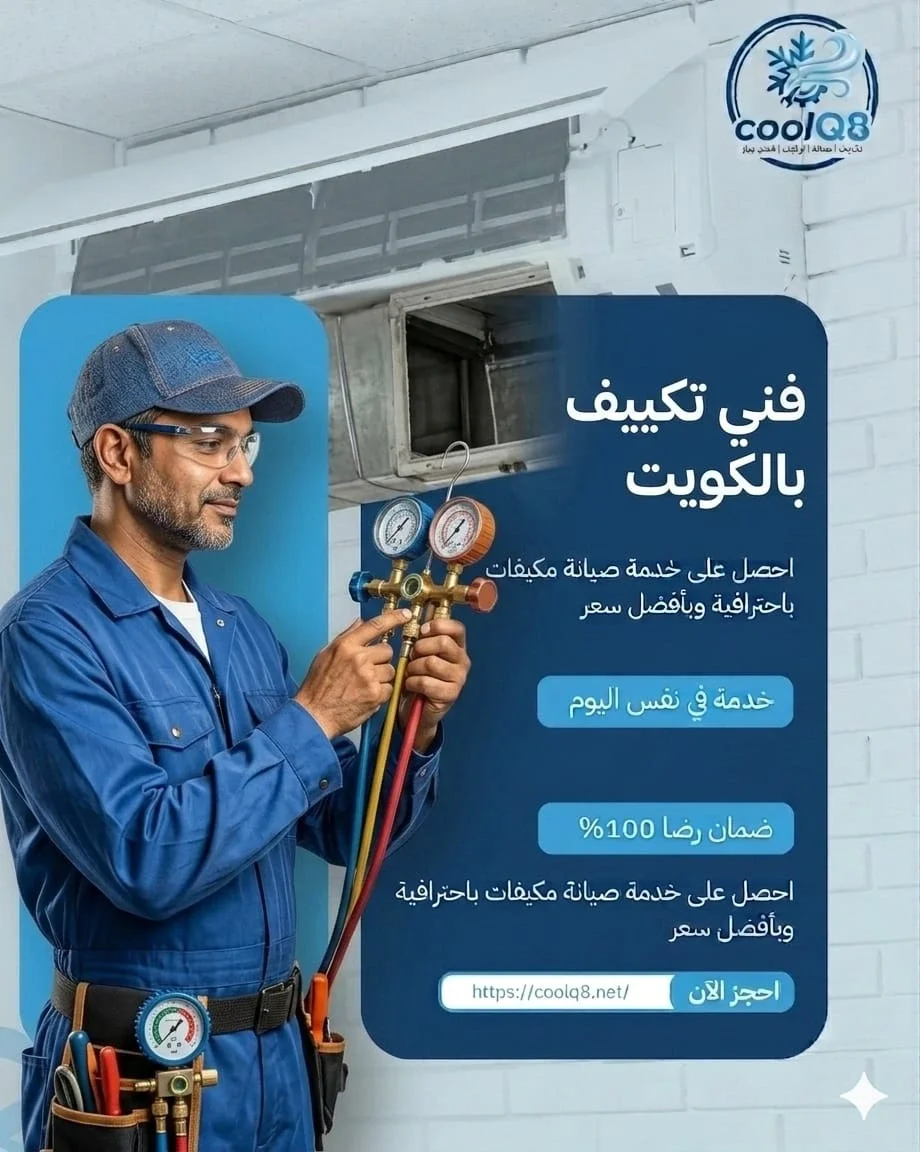
What Does a Pro AC Technician Check Before Repair?
A professional air conditioning technician does not begin by grabbing tools and replacing parts within the first few minutes. The process starts with understanding the problem. Before any real repair begins, the technician needs to know what happened to the air conditioner, when the fault first appeared, whether it is continuous or intermittent, and how the system behaves during operation. Only after gathering this information should inspection, measurement, and performance testing begin. These steps are important because they prevent unnecessary part replacement, avoid refrigerant charging when it is not required, and reduce the risk of treating a temporary symptom while leaving the real cause unresolved. This guide explains exactly what a professional AC technician should do before starting repair work and how you can tell whether the inspection has been completed correctly before approving any cost or component replacement.
Air Conditioner Inspection Before Repair

Air Conditioner Inspection Before Repair is the most important stage before making any technical decision because many air conditioning faults create similar symptoms even though their actual causes are completely different. Weak cooling, for example, may result from a dirty filter, a restricted evaporator coil, a weak blower motor, a refrigeration cycle problem, or an electrical fault. If the technician assumes the cause without proper inspection, the customer may end up paying for refrigerant charging or replacement of a component that has nothing to do with the actual problem, only for the fault to return shortly afterward.
A skilled technician begins by asking the customer about the history of the problem. When did it appear? Did it begin suddenly or gradually? Did it happen after maintenance, cleaning, relocation, or another repair? The technician then operates the air conditioner and observes its actual behavior before checking airflow, sound, temperature, and the condition of both indoor and outdoor units. These initial observations do not provide the entire diagnosis, but they help determine the correct direction for further testing.
Measurements are then performed according to the nature of the fault. In some situations, electrical readings, refrigerant pressures, temperatures, or airflow measurements may be required. In other cases, visual inspection and cleaning may be enough to identify the problem. The main purpose of Air Conditioner Inspection Before Repair is to determine whether the system needs cleaning, adjustment, repair, or replacement of a specific component while avoiding unnecessary work.
-
The technician begins by asking when the problem appeared and how it developed before touching any component
-
The air conditioner is operated under normal conditions so the fault can be observed as it actually occurs
-
Simple and logical causes are checked before moving toward expensive failures
-
No component should be replaced without technical evidence connecting it to the problem
-
The inspection should end with a clear explanation of what the system needs before repair begins
AC Technician Steps
The AC Technician Steps reveal the technician’s level of experience more clearly than speed alone. An organized technician begins from the outside and works inward while moving from the visible symptom toward the real cause. After listening to the customer’s complaint, the technician first reviews the operating settings because some apparent faults may actually result from an incorrect mode or temperature setting. The next stage may include checking filters, fans, airflow, and the outdoor unit depending on the type of problem.
The technician then determines whether advanced measurements are necessary. If the air conditioner is not cooling properly, the temperature difference between return and supply air may be checked, and refrigerant pressure may be measured when appropriate. If the system does not start, electrical supply, capacitors, and control signals should be tested before the compressor is blamed. If water is leaking, drainage, installation level, evaporator condition, and insulation should be checked instead of automatically assuming the problem is only a blocked drain.
One of the clearest signs of professional AC Technician Steps is that the process can be explained. A technician should be able to say: this component was checked because it relates to this symptom, this possible cause was eliminated because the reading was normal, and that is why the diagnosis moved toward another possibility. This approach reduces guesswork and builds the repair decision on actual information.
-
The process begins with the visible symptoms rather than a predetermined assumption about the fault
-
Simpler causes are eliminated before considering major components
-
Inspection steps change according to the problem and the air conditioner type
-
Test results are interpreted rather than relying on random trial and error
-
Repair should not begin until the technician has a sufficiently clear picture of the fault
Professional AC Fault Detection

Professional AC Fault Detection means that the technician does not rely only on looking at the system or on remembering a previous fault with similar symptoms. Instead, the technician connects the symptoms with operating behavior and actual measurements. The same symptom can result from several different causes, so professional diagnosis cannot be based on statements such as “the refrigerant must be low” or “the compressor must be damaged” before inspection.
Professional detection begins by identifying the type of complaint. Weak airflow directs attention toward filters, the evaporator coil, the blower motor, and airflow paths. Strong airflow that is not cold directs attention toward the refrigeration cycle and outdoor unit. Repeated breaker tripping requires inspection of the electrical circuit, operating load, and related control components. Water leakage requires examination of drainage, evaporator condition, and the actual source of moisture.
A professional technician also does not automatically consider the first abnormal condition discovered to be the final cause. A dirty filter may be found, but the technician should still determine whether that alone explains the weak cooling or whether another problem is present. This level of verification is what separates Professional AC Fault Detection from random maintenance.
-
Every symptom is connected with a group of possible causes before a final conclusion is made
-
The first abnormal observation is not automatically treated as the only cause without verification
-
The diagnostic plan changes between cooling electrical water and noise-related problems
-
Measurements are used when necessary to confirm the diagnosis
-
The customer should leave the inspection understanding which parts are faulty and which remain in normal condition
Air Conditioner Testing
Air Conditioner Testing is an essential step both before and after repair because it shows how the system behaves under real operating conditions. Some faults do not appear immediately after startup. They may develop after several minutes, under high load, or after the compressor reaches a certain temperature. For this reason, operating the air conditioner for only a few seconds is not enough to judge its condition.
Before repair, the technician observes how quickly the system starts, how the indoor unit responds, whether the outdoor unit operates correctly, the strength of airflow, the operating sound, cooling performance, and the way the system cycles on and off. If the fault is intermittent, the unit may need to operate longer until the symptom appears. This process helps the technician understand the problem before touching internal components.
After repair, Air Conditioner Testing is repeated to confirm that the original problem has disappeared and that no new side effect has been created. If the fault was weak cooling, actual performance should improve. If the complaint was abnormal noise, the technician should monitor the sound after repair. If the problem involved water leakage, enough operating time should be allowed to confirm that drainage works correctly.
-
The air conditioner should be tested before repair to observe how it actually behaves during operation
-
An intermittent fault should not be judged based only on the first minute of operation
-
Indoor and outdoor units should both be monitored when the situation requires it
-
Testing should be repeated after repair to confirm that the work was successful
-
The final test should be connected to the original customer complaint rather than simply checking that the unit turns on
Air Conditioner Pressure Measurement

Air Conditioner Pressure Measurement is used when the nature of the problem involves the refrigeration cycle, but it is not a procedure that must be performed during every visit and it should never be interpreted by itself. Refrigerant pressure is affected by the refrigerant type, outdoor temperature, cooling load, airflow condition, and coil cleanliness. Therefore, determining whether refrigerant is low or excessive requires interpreting pressure within the complete operating picture.
A good technician does not connect pressure gauges and immediately conclude that the system needs refrigerant. Airflow, coil condition, temperatures, and compressor behavior should be considered first. Air Conditioner Pressure Measurement is then used to confirm or eliminate certain possibilities. If the reading suggests a refrigerant shortage, the next step should not automatically be adding gas. The technician should investigate why refrigerant was lost if leakage is suspected.
Abnormal pressure may also result from other problems such as poor condenser ventilation, restriction within the refrigeration circuit, or failure of another component. The real skill therefore lies in understanding the reading rather than simply obtaining it.
-
Pressure measurement should never be used as the only proof that refrigerant is low
-
Temperature refrigerant type and airflow condition must be considered when interpreting the reading
-
If a shortage is confirmed the reason for refrigerant loss should be investigated before recharging
-
Abnormal pressure can indicate several faults and not only low refrigerant
-
Pressure readings are part of diagnosis rather than the entire diagnosis
Air Conditioner Electrical Inspection
Air Conditioner Electrical Inspection becomes one of the first priorities when the system does not start, repeatedly trips the breaker, produces an electrical smell, or when one part of the system stops operating. Before blaming a motor, compressor, or electronic control board, the technician must confirm that electrical power reaches the system correctly and that the related control components are functioning.
The technician normally begins from the power source and then moves toward the components connected to the fault. Voltage, wiring, capacitors, and protection devices may be tested according to the equipment type and symptom. Signs of overheating, burning, oxidation, or loose connections should also be examined. If the compressor does not start, for example, it should not immediately be declared defective before confirming that operating commands reach it and that the capacitor and protection devices are working.
Air Conditioner Electrical Inspection requires caution because mistakes in this area can create greater risks than a cooling problem alone. Homeowners should not open electrical panels or experiment with wiring, especially when a burning smell or repeated breaker tripping is present.
-
Inspection begins with the electrical supply before major components are declared defective
-
Wiring capacitors and protection devices are tested according to the specific fault
-
Signs of overheating or burning are important diagnostic indicators that require proper interpretation
-
The compressor or motor should not be replaced before confirming that the electrical supply is correct
-
Electrical faults require careful handling and should not be treated as a household experiment
Diagnosis Before Repair

The principle of Diagnosis Before Repair sounds obvious, yet it is one of the most frequently skipped stages during rushed maintenance. Some technicians begin by replacing the component most commonly associated with the symptom. If the problem remains, another component is replaced. This approach can increase costs and still fail to identify the real cause.
Proper diagnosis first determines what is not working and then asks why it is not working. If a fan has stopped, is the problem the motor itself or the electrical supply, capacitor, or control signal? If refrigerant is low, is there a leak or was the system previously charged incorrectly? If water is leaking, is the cause a blocked drain, evaporator freezing, or incorrect installation angle?
This is why Diagnosis Before Repair protects customers from trial-and-error component replacement and gives the technician a clear repair plan. It also makes the expected cost easier to understand before work begins instead of allowing the bill to grow every time another part is tested through replacement.
-
The actual cause should be identified before choosing the repair
-
The symptom itself should not automatically be treated as the root cause
-
Every non-functioning component should be checked together with the systems that control it
-
Proper diagnosis reduces unnecessary replacement of functional parts
-
The customer should understand the expected repair scope before work starts
AC Technician Tools
AC Technician Tools reflect the type of service a technician is capable of providing, but owning many tools does not automatically mean the technician is professional. What matters is knowing when each tool should be used and how to interpret the result. Electrical meters help evaluate voltage, current, and capacitors. Pressure gauges are used when the refrigeration cycle requires testing. Temperature measuring devices help compare air conditions before and after cooling.
Other tools may include cleaning equipment, leak detection devices, and suitable dismantling tools that prevent damage to screws, piping, or sensitive components. Modern systems may also require methods of reading fault codes or reviewing operating data.
However, AC Technician Tools do not replace experience. Someone may own advanced diagnostic equipment and still interpret the readings incorrectly. A professional technician uses each tool within a clear diagnostic process. The tool provides information, while experience determines what that information actually means.
-
Electrical measuring tools are used when operating or power-related faults are suspected
-
Pressure gauges are used when the problem requires refrigeration cycle evaluation
-
Temperature measuring tools help assess the actual difference in system performance
-
Leak detection equipment is used when there is evidence suggesting refrigerant loss
-
The value of every tool depends on the technician’s ability to interpret the result correctly
Air Conditioner Assessment
Air Conditioner Assessment often begins before any measuring device is used because it gives the technician an initial picture of the system condition, installation environment, and surrounding factors. The technician examines unit cleanliness, filter condition, insulation, outdoor unit location, airflow paths, and drainage. Signs of water, oil, burning, corrosion, or vibration are also noted.
Installation conditions matter significantly. An outdoor unit trapped in a poorly ventilated space may struggle to reject heat even when all mechanical components are functioning correctly. An indoor unit installed at an incorrect angle may leak water even when the drain pump or drainage pipe is not defective. This means the assessment should consider not only the equipment itself but also the environment in which it operates.
Air Conditioner Assessment can also reveal evidence of previous incorrect work such as unsuitable electrical wiring, damaged insulation, or incomplete repairs. These observations may help explain why the same problem continues to return.
-
The assessment includes both the air conditioner and its installation environment
-
Signs of water oil burning and vibration should be examined carefully
-
Poor ventilation around the outdoor unit may be part of the cooling problem
-
Indoor unit angle and drainage routing can directly affect water leakage
-
Evidence of previous repairs may help explain repeated system failures
Complete Air Conditioner Inspection
A Complete Air Conditioner Inspection does not mean dismantling every component or testing everything without reason. It means viewing the air conditioner as one connected system and making sure the problem is not being caused by several factors at the same time. The process begins with overall performance and then moves toward the components connected to the symptoms while considering mechanical operation, electrical performance, the refrigeration cycle, and airflow.
Sometimes the current fault may be relatively simple while another condition requires future attention. The technician may discover that the immediate problem is drainage-related but also notice that the filters are heavily contaminated or the outdoor unit will soon need cleaning. In this situation, the current repair should be separated clearly from preventive recommendations.
A Complete Air Conditioner Inspection is particularly useful for systems that operate for long hours or have experienced several failures within a short period because it helps evaluate the general condition of the equipment instead of treating every fault as an isolated event.
-
A complete inspection connects electrical cooling airflow and drainage systems when relevant
-
It does not mean dismantling every component without a clear purpose
-
The current fault should be separated from preventive observations
-
It is especially useful for heavily used systems or units with repeated breakdowns
-
The inspection should end with an overall assessment that supports a maintenance or repair decision
Why Are We the Best at Pre-Repair AC Inspection?
We believe that a good repair begins before any component is replaced, which is why inspection and diagnosis receive real priority. We begin by listening to the customer’s description of the problem, then test the equipment as it operates in the actual property environment, and use only the measurements required by the specific condition instead of applying the same procedure to every fault.
We also explain what has been confirmed and what remains only a possibility while separating the repair that must be completed now from preventive recommendations that may be scheduled later. The objective is to make the technical decision understandable and connect every cost to real work and an actual need.
-
We begin with diagnosis before dismantling or replacing components
-
Measurements are used when they support the diagnosis rather than simply to display equipment
-
The cause of the problem is explained before a solution is recommended
-
Current faults are separated from preventive maintenance recommendations
-
The air conditioner is tested after repair to confirm that the technical decision was correct
Conclusion
A professional technician does not begin repairing an air conditioner before understanding the fault. Air Conditioner Inspection Before Repair, Air Conditioner Testing, Air Conditioner Electrical Inspection, and refrigeration cycle evaluation when necessary are all essential steps before deciding to replace any component. Diagnosis Before Repair also prevents random replacement, makes costs easier to understand, and reduces the likelihood of the same problem returning after a short period. When you see a technician begin with assessment, listening, testing, and measurement before explaining the cause of the fault and recommending repair, you are seeing a professional working method. Jumping immediately to component replacement without diagnosis should always make you reconsider before approving the work.
Frequently Asked Questions
Should the air conditioner be inspected before every repair?
Yes. Similar symptoms can have completely different causes, so the correct repair cannot be selected before the actual cause is identified.
Is air conditioner pressure measurement necessary during every visit?
No. It is used when the problem is related to the refrigeration cycle or when pressure readings are needed to support the diagnosis.
How can I know whether the technician inspected the electrical system correctly?
The technician should begin with the electrical supply, wiring, and related control components before declaring major parts such as the compressor or motor defective.
Can an air conditioner fault be diagnosed visually?
Some problems are visually obvious, but many faults require operating the system and taking measurements before the cause can be confirmed.
Why does the technician operate the air conditioner before repair?
Operating the system allows the technician to observe the fault under real conditions and understand when and how the symptom appears.
Does having many tools mean the technician is professional?
Not necessarily. What matters is knowing when each tool should be used and how the reading should be interpreted within the context of the fault.
What is the difference between an assessment and a complete inspection?
An assessment provides an initial picture of the equipment and installation conditions, while a complete inspection combines observations, measurements, and testing of the systems connected to the problem.
Should a refrigerant leak be investigated before recharging?
Yes. When an abnormal shortage is confirmed, the reason for refrigerant loss should be identified instead of simply adding more refrigerant.
Why should the compressor not be replaced immediately if it does not start?
Because the real problem may involve the electrical supply, capacitor, protection devices, or control signal rather than the compressor itself.
What should I ask the technician before approving the repair?
Ask what caused the fault, how the technician confirmed it, what repair is required, which components will be replaced, and what the expected total cost will be before the work begins.