Common Mistakes When Cleaning a Split AC at Home
Cleaning a split air conditioner at home may seem like a simple task, especially when you notice dust on the filter or around the air outlet. However, mistakes do not always begin with using a sharp tool or too much water. They may occur when a component is removed incorrectly, a filter is washed even though the equipment’s instructions do not permit it, or the air conditioner is restarted before it is ready. In homes across Kuwait, frequent air conditioner use and dust accumulation may encourage some people to try home cleaning methods that are unsuitable for their equipment. This article explains which mistakes to avoid, what you can clean yourself according to your air conditioner’s instructions, and when hiring a specialist technician is safer than attempting to reach internal components.
Common Split AC Cleaning Mistakes

Common split AC cleaning mistakes often begin when users treat the indoor unit as a collection of surfaces that can all be washed in the same way. An air conditioner contains a filter, fan, cooling coil, sensors, and electrical and electronic components, each with different handling requirements. A method suitable for cleaning an external surface may be completely inappropriate for a component located behind the cover.
One important mistake is beginning the cleaning process without consulting the equipment’s manual. The instructions for one model may allow the filter to be removed and washed with water, while another model may require a different maintenance method. The procedure for opening and reinstalling the cover may also vary, so you should not rely on a method you have seen used on another air conditioner simply because the two units look similar from the outside.
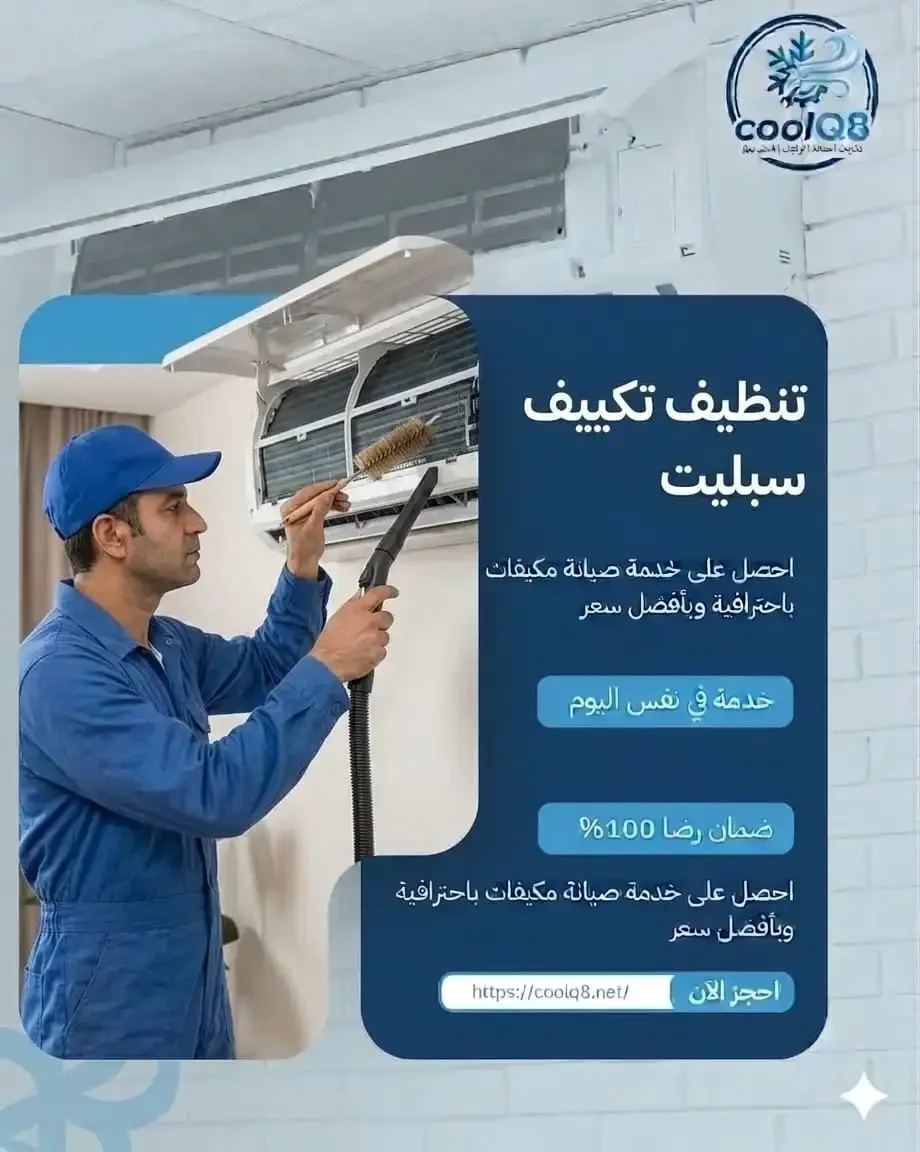
Imagine noticing a layer of dust behind the airflow direction louvers and attempting to reach it with a long brush. The tool may move into an area that you cannot see clearly or come into contact with a moving or sensitive component. In this situation, the problem is not the amount of dust but the attempt to clean an area that requires appropriate access and knowledge of the unit’s construction.
Another mistake occurs when a homeowner interprets dirty water coming out during washing as proof that the entire service has been successful. Removing dirt does not establish that the cleaning method was appropriate, nor does it confirm that sensitive components were protected from water or that every part was reinstalled correctly.
Any home cleaning procedure should therefore begin by identifying the component that the equipment’s instructions allow the user to maintain and stopping at the point where specialist intervention becomes necessary.
The main mistakes to avoid include the following:
- Starting work without knowing the model’s instructions: Relying on general procedures may result in removing a component incorrectly or using a cleaning product that the manufacturer does not permit, so you should identify the maintenance tasks allowed for users before opening the cover or removing the filter.
- Attempting to clean hidden components with long tools: A tool may touch the fan, sensors, or a delicate component without you being able to see its position, so brushes and cloths should not be inserted through air openings to reach internal deposits.
- Assuming that all dirt requires comprehensive washing: Dust may be present on an external surface that can be cleaned using a permitted method while the internal components do not need attention, so the location of the dirt should be identified before expanding the scope of work.
- Using a cleaning method that worked on another air conditioner: Similar-looking split units do not necessarily have filters, covers, and internal components that can tolerate the same procedures, making it essential to follow the instructions for the equipment in your home rather than copying the maintenance method used on a different model.
- Relying solely on the unit’s appearance after cleaning: The unit may look clean even though certain components have been exposed to moisture or reinstalled incorrectly, so cleaning, drying, and reassembly requirements must be followed before considering the task complete.
Cleaning a Split AC at Home
Cleaning a split AC at home may be appropriate for components that the manufacturer allows users to maintain, such as certain filters and external surfaces. However, visible dust inside the unit does not automatically mean that users can dismantle or wash its components, even when the procedure appears simple and does not seem to require specialist knowledge.
It is better to distinguish between cleaning that can be performed without accessing sensitive parts and internal cleaning that requires covers to be removed or electrical and moving components to be handled. The difference is not the amount of time required but the nature of the risks and the requirements of the work.
For example, a homeowner may notice that the filter needs attention, consult the air conditioner’s manual, and follow the specified method for removing, cleaning, and reinstalling it. This is a completely different task from attempting to reach the fan behind the internal components or washing the cooling coil with a household spray.
The desire to save the cost of a service visit should not become a reason to perform work beyond the instructions intended for users. The cost of having a dirty component cleaned by a specialist may be lower than the cost of repairing damage caused by incorrect dismantling or an unsuitable cleaning product, although no fixed cost can be assigned to these situations without knowing the type of equipment and the nature of the damage.
If weak cooling, water leakage, or an unusual smell is the reason you are considering cleaning, do not assume that dirt is responsible before assessing the symptoms. The equipment may need a technical inspection rather than repeated home cleaning.
To carry out home maintenance within safe limits, consider the following:
- Identify the components that your air conditioner’s manual allows you to clean: Home cleaning should be limited to procedures intended for users and should not include removing internal components or handling electrical connections simply because they appear accessible.
- Prepare the work area before handling components that users are permitted to remove: It is appropriate to move belongings that may obstruct access to the unit and provide a clean place to put the filter according to the equipment’s instructions, while avoiding unstable furniture or positions that could expose you to a fall.
- Do not use household tools to clean the fan internally: Moving components and sensitive areas may be difficult to see through the air outlet, so deposits that require access to the inside of the unit should be left to a specialist who can handle them using an appropriate method.
- Do not treat home cleaning as a substitute for fault diagnosis: If weak cooling continues, a fault message appears, or the equipment shuts down abnormally, it is better to identify the cause rather than repeatedly cleaning the filter or attempting to wash additional components.
- Know when to stop working: If you encounter unusual resistance while removing a component that the manual permits you to handle, or you are unsure how to reinstall it, do not use force or continue experimenting. Refer to the instructions or request appropriate assistance.
Cleaning an Air Conditioner Incorrectly
Cleaning an air conditioner incorrectly may create a problem that did not exist before the work began. Dust that only required appropriate removal may lead to the unnecessary dismantling of intact components, the introduction of moisture into sensitive areas, or the use of substances that affect component surfaces.
A common mistake is believing that more aggressive cleaning produces better results. A user may scrub the filter forcefully to remove trapped dust, direct a concentrated spray toward an internal component, or use more cleaning product when deposits do not disappear quickly. However, a component’s ability to tolerate scrubbing, moisture, or chemicals cannot be determined from its appearance alone.
The damage caused by an incorrect method varies according to the component affected. A filter may lose its shape, a plastic part may become damaged, or moisture may reach a component that should not be exposed to water. The absence of an immediate problem does not mean that the procedure was appropriate.
Suppose someone washes a filter and reinstalls it before it has dried according to the equipment’s instructions because they want to restart the air conditioner quickly. Even if the filter looks clean, ignoring the drying requirements means that the cleaning procedure was not completed as specified for the model.
The smell of a cleaning product or the amount of foam it produces should not be treated as evidence of its effectiveness either. Products used to clean household surfaces are not necessarily suitable for air conditioner filters or internal components, and certain parts may require specific products and procedures.
The correct method does not involve using the strongest available tool. It involves selecting a procedure that removes dirt from components users are permitted to maintain without exceeding the equipment’s instructions.
Mistakes associated with cleaning methods include the following:
- Scrubbing the filter forcefully to remove stubborn dust: Using a stiff brush or applying excessive pressure may damage the filter material or change its shape, so the tool and method specified in the model’s instructions should be followed instead of attempting to speed up cleaning through force.
- Using a household cleaner without confirming its suitability: Some products may contain substances that are unsuitable for air conditioner components or require special rinsing, so a multipurpose cleaner or scented product should not be used simply because it removes dirt from household surfaces.
- Increasing the amount of water when deposits remain: If the specified maintenance method does not remove the dirt easily, you should not automatically immerse the component or use higher water pressure. Instead, review the instructions and determine whether a different procedure is required.
- Reinstalling a component before meeting its drying requirements: If the manual permits the filter to be washed and requires it to dry before reinstallation, this step must be completed rather than restarting the air conditioner immediately after washing it.
- Continuing to clean after damage or an unusual change appears: If you notice a crack, a change in a component’s shape, or difficulty reinstalling it, it is better to stop applying force and request an appropriate assessment rather than attempting to conceal the problem by putting the component back in place by any means.
Damage to a Split Air Conditioner
Damage to a split air conditioner may occur during cleaning when its components are exposed to a procedure that does not suit their design. Potential damage is not limited to electrical components. It may also affect plastic covers, airflow direction louvers, filters, and delicate parts inside the unit.
Damage may become immediately apparent as a broken component or a cover that no longer closes correctly, while other problems may require a technical inspection to determine whether they are associated with the cleaning method. The cause of a fault should therefore not be established solely on the basis of when it appeared.
Users should also avoid attempting to repair a component damaged during cleaning by applying adhesive or forcing it back into shape without understanding its installation requirements, because this may create an additional problem or prevent it from being secured correctly.
- Damage to cover clips caused by forceful opening: Fastening components may break if the cover is opened from an unintended position, so you should stop when you encounter unusual resistance and review the opening procedure specified for the model rather than pulling the cover forcefully.
- Deformation of airflow direction louvers caused by rough handling: The appropriate way to handle the louvers may vary according to the equipment’s design, so they should not be forced to move or detached from their positions in an attempt to reach dust behind them.
- Damage to delicate components caused by unsuitable tools: Certain internal parts may be affected by pressure or friction, so you should not attempt to clean them with a sharp tool or stiff brush without knowing the maintenance method permitted for those components.
- Moisture reaching sensitive components: Directing water or spray randomly into the unit may expose parts that should not be washed to moisture, so internal washing that requires these components to be protected must be left to a qualified specialist.
- Making the problem worse by attempting to repair visible damage at home: If a component breaks or changes shape during cleaning, it is better to determine the appropriate repair or replacement procedure rather than securing it temporarily in a way that may affect neighboring components.
How to Clean Split AC Filters Correctly

Cleaning split AC filters correctly begins with identifying the filter type and the procedures permitted in the air conditioner’s manual. Not every filter can be washed with water, and certain types may require a different maintenance method or replacement when necessary.
Even when the manual permits washing, you should follow the specified procedure for removing, cleaning, drying, and reinstalling the filter. It is not enough for the filter to look clean after washing if it has been scrubbed too forcefully or reinstalled incorrectly.
It is useful to inspect the filter according to the intervals specified for the model and the unit’s operating conditions, but every inspection should not automatically lead to washing when there is no actual need for it.
- Understand the instructions for the filter installed in your unit: You should confirm whether it is washable or requires another maintenance method because using water on a type not intended for washing may affect its properties or make it unsuitable for reuse.
- Follow the specified removal procedure without pulling the filter from an unsuitable position: Filter fastening systems may differ between models, so you should understand how to remove and reinstall the filter rather than bending its frame or pulling it forcefully.
- Use only the permitted cleaning method: If the instructions specify a particular way to remove dust, that method should be followed without adding stronger products or tools simply to achieve a faster result.
- Follow the drying requirements before reinstallation: If the filter is washable, it must be allowed to dry using the method specified in the manual, and unapproved heating methods should not be used to speed up the process.
- Review the filter’s condition if it is no longer suitable for use: If it shows signs of damage, changes shape, or no longer fits securely, it is appropriate to consult the model’s instructions about replacement rather than continuing to use it without confirming that it remains suitable.
Common Air Conditioner Washing Mistakes
Common air conditioner washing mistakes differ from mistakes made during ordinary filter maintenance because internal washing may involve using water near electrical and electronic components and parts that do not tolerate pressure or moisture in the same way.
One major mistake is believing that the presence of a condensate drainage path means the indoor unit is designed to receive water from every direction. Water that collects during normal operation is different from water that may reach sensitive components when a spray bottle or hose is directed into the unit.
Focusing on removing the greatest possible amount of dirt may also lead to neglecting the protection of the wall, furniture, and equipment beneath the air conditioner, even though preparing the surrounding area is an important part of any work involving water.
- Directing a water hose into the unit without assessing its design: You should not assume that every internal component can be washed or that the drainage path can handle water directed randomly into the unit, so this type of work should be left to a specialist who uses a method appropriate for the model.
- Using high pressure on delicate components: Unsuitable water pressure may affect sensitive parts or force water into areas not intended to receive it, and the pressure should not be increased simply because deposits remain after the first attempt.
- Neglecting to protect the area surrounding the air conditioner: Cleaning water may reach nearby furniture, flooring, or equipment if the area is not prepared properly, so a method for containing the water should be established before washing begins.
- Treating cleaning foam as proof that washing is effective: A large amount of foam does not establish that the product is suitable for the air conditioner or that deposits have been removed correctly. Products and procedures must be compatible with the requirements of the components being cleaned.
- Restarting the air conditioner before confirming that it is ready after washing: Drying, reassembly, and safety requirements must be met according to the equipment’s instructions before restarting it, and water no longer coming out of the unit is not sufficient evidence that it is ready.
Protecting a Split AC During Cleaning
Protecting a split AC during cleaning means preventing avoidable risks to its components, the people involved, and the surrounding area. Protection begins before any tool is used by defining the scope of work, confirming that the procedure is suitable for the model, and ensuring that the person performing it is qualified.
If cleaning requires handling internal components or using water near electrical parts, users should not perform the work on the assumption that switching the unit off with the remote control is sufficient. A specialist must carry out the electrical safety and isolation procedures appropriate to the task.
Belongings beneath the air conditioner should also be protected, particularly if it is installed above a desk, bed, or electrical equipment. Work that could cause water or components to fall onto these belongings should not begin without appropriate preparation.
- Define the scope of work before opening the unit: The components that need cleaning and those that do not require attention should be identified because reducing unnecessary dismantling helps avoid exposing intact components to additional risks.
- Follow the power isolation requirements appropriate to the work: The equipment’s safety instructions must be observed, and the electrical isolation procedures required for internal work should be left to a qualified specialist rather than assuming that switching the unit off with the remote control makes every component safe to touch.
- Move sensitive belongings away from the cleaning area: Furniture and equipment beneath or beside the unit should be protected before any work that may produce water or dust or cause small components to fall during dismantling and reassembly.
- Avoid putting pressure on pipes and connections when moving components: Parts connected to the unit should not be used as gripping or pulling points during cleaning because this may expose them to unintended strain.
- Review the safety of reassembly before restarting the unit: You should ensure that components handled during cleaning have been reinstalled using the specified method and that drying and safety requirements have been met before operating the air conditioner again.
Safe Split AC Cleaning
Safe split AC cleaning does not depend solely on using a product labeled as suitable for air conditioners. It depends on whether the procedure is appropriate for the component being cleaned and the nature of the equipment. A product may be suitable for one surface but inappropriate for another surface inside the same unit.
Choosing the correct procedure becomes especially important when dirt is located in a difficult-to-reach area. In this situation, limited access should not be treated as a reason to try a longer tool or increase the amount of liquid used. Instead, it may indicate that the work exceeds the limits of home maintenance.
Safety also includes protecting the person cleaning the equipment. You should not attempt to reach a high-mounted unit by standing on an unstable chair or adopting a position that makes it difficult to control the tool and the component being cleaned.
- Choose the cleaning method according to the component being treated: You must distinguish between an external surface that the manual permits users to maintain and an internal component requiring specialist procedures, rather than using the same method on every part simply because dust is present.
- Do not mix household cleaning products: Mixing products may cause dangerous chemical reactions or release harmful fumes, so only permitted substances should be used according to the product’s and equipment’s instructions without adding homemade mixtures.
- Avoid working in a position you cannot reach safely: If the height or installation location of the unit prevents safe access to a component that users are permitted to clean, it is better to request appropriate assistance rather than standing on furniture not designed for that purpose.
- Do not attempt to remove stubborn deposits by force: If dirt does not disappear using the permitted method, specialist assessment or a different procedure may be required, and this should not be replaced with a sharp tool or increasing pressure.
- Treat unusual symptoms as a reason to stop: If a burning smell, unfamiliar sound, or signs of water near electrical connections appear, do not continue cleaning or restart the equipment before the situation has been addressed appropriately.
Home Split AC Maintenance

Home split AC maintenance includes simple procedures that the equipment’s manual permits users to perform, but it does not include diagnosing electrical faults, opening the refrigeration circuit, or dismantling sensitive internal components. Understanding this distinction is important so that an ordinary maintenance task does not become an unsafe repair attempt.
While cleaning the filter, a user may notice something that deserves attention, such as visible damage to part of the cover or a filter that does not fit securely in place. In this situation, the problem should not be assumed to be fixable by pressing the component into position or securing it temporarily.
It is better to keep notes about any changes that appear during operation because describing the problem to a technician helps direct the inspection without having to attempt to identify the cause by dismantling the equipment at home.
- Follow the maintenance procedures intended for users: Home maintenance should be limited to the tasks explained in the model’s manual and should not include opening internal covers or handling electrical components simply because the required tools are available at home.
- Observe the condition of visible components without attempting to repair them by force: If you notice a cracked or loose component, it is appropriate to request an assessment of how it should be repaired rather than attempting to reshape it or secure it using an unapproved method.
- Do not treat weak cooling as proof that refrigerant charging is required: The problem may have several causes, and you should not attempt to work on the refrigeration circuit or agree to refrigerant charging without an appropriate technical diagnosis.
- Record changes that appear after cleaning: If the air conditioner begins making a new sound, airflow changes, or a problem appears with the cover, it is useful to explain when the change occurred and what happened during cleaning when requesting assistance.
- Understand the limits of home maintenance before buying additional tools: Internal work does not become suitable for users simply because a spray bottle, brush, or steam cleaner is available, so you should establish what the manual permits before spending money on tools you may not need.
The Correct Way to Clean a Split AC
The correct way to clean a split AC begins by identifying the component that needs maintenance and reviewing the instructions for the specific model. If the task involves cleaning a filter that the manual allows users to remove, the manufacturer’s procedures for switching off the equipment, removing the filter, cleaning it, drying it, and reinstalling it should be followed.
If dirt is located on the fan, cooling coil, or in an area that requires internal components to be removed, the filter maintenance procedure should not be turned into a general method for cleaning the entire unit. These components may require different tools and procedures carried out by a qualified specialist.
Cleaning should not begin if the air conditioner has symptoms suggesting a technical fault or potential danger because the priority in that situation is addressing the problem appropriately rather than removing dust.
- Identify the component that needs cleaning before choosing a tool: You should establish whether the problem involves a filter that users are permitted to maintain or internal deposits requiring a specialist because selecting a tool before identifying the component may lead to an unsuitable cleaning method.
- Review all the maintenance steps in the equipment’s manual: Knowing how to remove the filter is not enough. You must also follow the instructions for cleaning, drying, and reinstalling it, as well as the operating requirements that apply after the work is complete.
- Do not expand the scope of work when you discover additional dirt: If deposits appear in an area that the instructions do not permit users to access, it is better to stop at the limits of the permitted procedure and request specialist assessment when necessary.
- Check that components users are permitted to remove have been returned to their correct positions: If you encounter difficulty during reinstallation, do not use force or operate the equipment before consulting the instructions or obtaining appropriate assistance.
- Evaluate the cleaning result according to the original objective: If the purpose was to remove dust from the filter, confirm that the maintenance was completed correctly. Continued weak cooling or the appearance of another problem does not automatically mean that the solution is to repeat cleaning or wash additional components.
When Is Hiring a Split AC Cleaning Technician More Cost-Effective Than Cleaning It Yourself?
Cleaning the air conditioner yourself may seem like a way to save the cost of a service, but a proper comparison involves more than the price of the visit. You should also consider the nature of the required work, the tools appropriate for it, and whether you can perform it within the instructions intended for users without exposing yourself or the equipment to danger.
If the task involves simple maintenance of a filter that the manual permits you to clean at home, you may not need to book a specialist internal cleaning service for that procedure alone. However, if deposits are located behind internal components or the work requires using water near sensitive parts, hiring a specialist may be more appropriate than experimenting with an unsafe method.
No fixed price can be assumed for every cleaning service because the cost may vary according to the number of units, their condition, the scope of work, and how easily they can be accessed. It is better to request a clear explanation of what the offer includes before agreeing to it.
- Request assistance when cleaning requires internal components to be removed: If reaching the dirt requires removing parts that the equipment’s manual does not permit users to handle, it is better to leave the work to a specialist rather than risk damaging an intact component during dismantling.
- Do not buy a steam cleaner or washing tools simply to use them once: You should first confirm that the cleaning method is appropriate for the air conditioner and that using it falls within the tasks you are permitted to perform because owning a tool does not mean that using it inside the unit is safe.
- Compare service offers according to the components included rather than price alone: One offer may include only filter and visible surface cleaning, while another includes assessing internal deposits and cleaning specific components, so the scope of each service should be understood before comparing costs.
- Request an explanation of any additional work before it is performed: If the technician discovers a technical problem during cleaning, it is appropriate to understand its nature and the separate cost of addressing it rather than agreeing to additional procedures simply because they were proposed during the visit.
- Choose a service that explains how it will protect the air conditioner and surrounding area: The service provider should be able to explain which components need cleaning and how they will be handled according to the equipment’s design without making absolute promises that washing will resolve every fault or prevent future breakdowns.
Conclusion
Mistakes made when cleaning a split air conditioner at home are not limited to using water or brushes. They also involve exceeding the maintenance limits established by the equipment’s instructions. Cleaning the filter may be an appropriate home procedure for one model, while cleaning the fan or cooling coil may require access to sensitive components that should not be handled without suitable qualifications.
Before beginning, identify the component that needs cleaning, review the air conditioner’s manual, and avoid using force, unapproved substances, or tools inserted into the indoor unit. If you encounter difficulty removing a component or notice an unusual problem, stop attempting the task and request an appropriate assessment.
When your split air conditioner in Kuwait requires specialist internal cleaning, choosing a service that clearly defines the scope of work and protects both the components and the surrounding area can help you avoid mistakes that make a simple dust removal task more costly and complicated.
Frequently Asked Questions
What are the most common mistakes when cleaning a split AC at home?
Common mistakes include using a method unsuitable for the equipment model, attempting to reach internal components with household tools, washing a filter when its instructions do not permit washing, and reinstalling components before meeting cleaning and drying requirements.
Can I wash the indoor unit of a split AC with water at home?
Water should not be directed randomly into the indoor unit because certain components cannot tolerate exposure to moisture. Internal washing that requires electrical and electronic components to be protected should be left to a qualified specialist using a method appropriate for the equipment.
Can I clean a split AC with a household steam cleaner?
A household steam cleaner should not be used inside the indoor unit without confirming that the method is suitable for the air conditioner’s design and components. Heat and moisture produced by steam condensation may affect parts that the equipment’s instructions do not permit users to expose to these conditions.
Can I wash a split AC filter with soap?
That depends on the model’s instructions and the filter type. Soap or any other cleaning product should not be used unless the filter’s permitted cleaning procedure includes it according to the specified requirements.
What should I do if the air conditioner cover breaks during cleaning?
Stop trying to force it back into place or secure it using an unapproved temporary method. Review the equipment’s instructions or request an appropriate assessment to determine the correct repair or replacement procedure before restarting the unit if the damaged component affects safe assembly.
Can I restart a split AC immediately after washing the filter?
If the equipment’s instructions permit the filter to be washed, its drying and reinstallation requirements must be followed before the air conditioner is restarted. These requirements should not be skipped simply because the filter’s surface looks clean.
Does using a stiff brush remove dirt from an air conditioner more effectively?
Not necessarily. A stiff brush or excessive pressure may damage the filter or certain delicate components, so the method and tools permitted by the equipment’s instructions must be used for the component being cleaned.
Can I clean the split AC fan without dismantling the unit?
Tools should not be inserted through the air outlet in an attempt to clean the fan internally because reaching it may require handling moving and sensitive components. If the fan needs internal cleaning, it is appropriate to request assistance from a specialist.
Can I use a multipurpose household cleaner on a split AC?
A product should not be used simply because it is suitable for household surfaces. You must confirm that the substance and its method of application are permitted for the component being cleaned according to the air conditioner’s and product’s instructions.
When should I hire a technician instead of cleaning my split AC myself?
You need a specialist when the work requires access to internal components or handling electrical or moving parts, or when fault symptoms appear that cannot be resolved by cleaning the components that the equipment’s manual permits users to maintain.