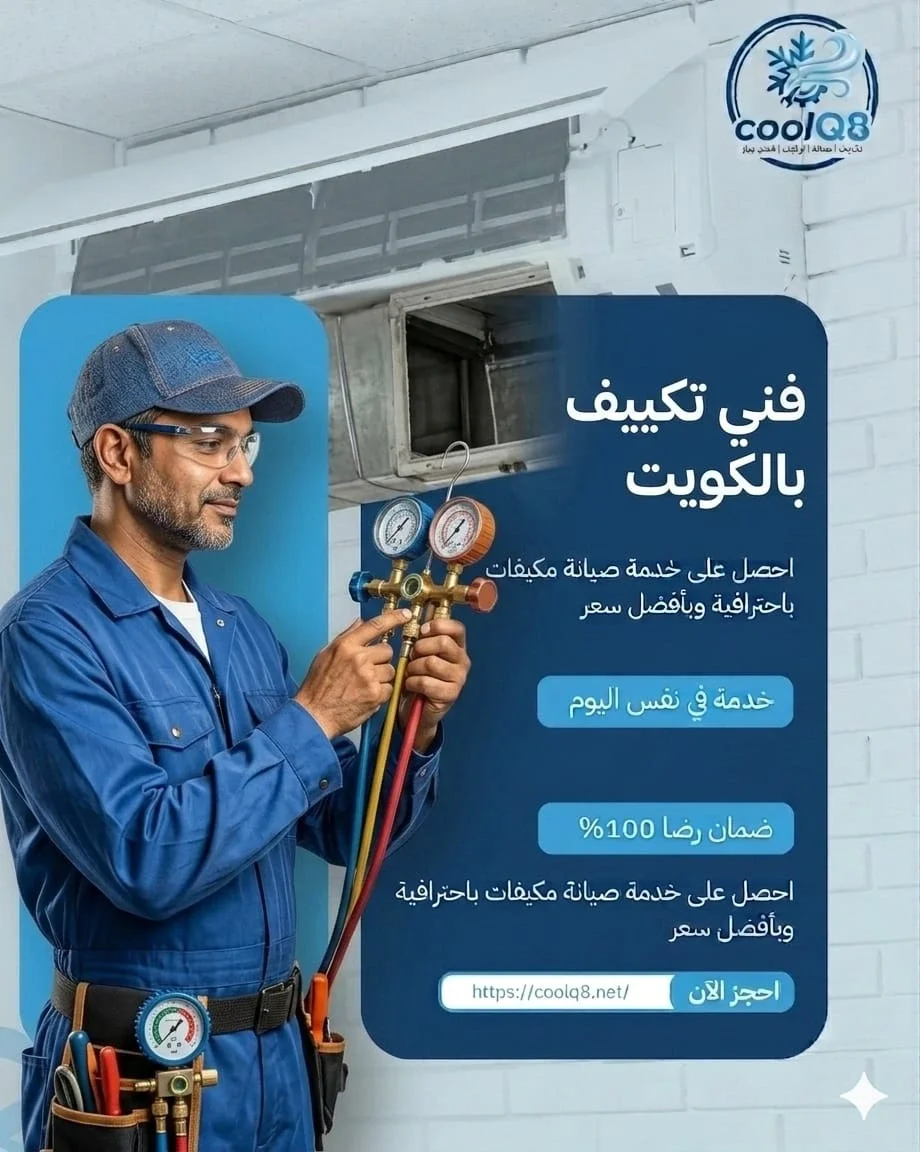
كيف تختار فني تكييف يكتشف العطل من أول زيارة؟
لا تقاس كفاءة فني التكييف بسرعة فك الجهاز أو تغيير القطع، بل بقدرته على قراءة الأعراض والوصول إلى السبب الحقيقي للمشكلة من أول زيارة. فكثير من أعطال المكيفات تتشابه في ظاهرها، بينما تختلف أسبابها جذرياً، وقد يؤدي التشخيص المتسرع إلى تغيير أجزاء سليمة أو شحن الفريون دون حاجة ثم عودة العطل بعد فترة قصيرة. لذلك يحتاج اختيار الفني إلى النظر في خبرته وطريقة فحصه والأدوات التي يستخدمها وكيف يربط بين القياسات والأعراض قبل اقتراح الإصلاح. في هذا الدليل ستتعرف على العلامات التي تميز الفني القادر على تشخيص المكيف بدقة وكيف تتأكد أن الفحص تم بطريقة مهنية تحمي جهازك وميزانيتك.
تشخيص أعطال المكيف

يبدأ تشخيص أعطال المكيف الصحيح بفهم الشكوى كما يصفها المستخدم ثم تحويلها إلى مجموعة احتمالات يتم اختبارها بترتيب منطقي. فإذا كان المكيف يعمل ولكن التبريد ضعيفاً لا ينبغي افتراض نقص الفريون مباشرة، لأن العطل قد ينتج عن اتساخ الفلاتر أو ضعف تدفق الهواء أو انسداد ملفات المكثف أو خلل في المروحة أو حساس الحرارة أو الضاغط. الفني الجيد يسأل متى بدأ العطل وهل ظهر فجأة أم تطور تدريجياً وهل حدث بعد تنظيف أو تركيب أو صيانة سابقة ثم يبدأ الفحص من الأسباب الأقرب إلى العرض.
بعد ذلك تأتي مرحلة القياس، حيث تتم مقارنة درجة حرارة الهواء الداخل بالهواء الخارج ومراجعة أداء المراوح وفحص الحالة الكهربائية وقياس الضغوط عندما تستدعي الحالة ذلك. لا توجد قراءة واحدة تكشف كل الأعطال، لذلك يجب تفسير النتائج مع بعضها وربطها بظروف التشغيل ونوع الجهاز ودرجة الحرارة الخارجية.
ومن الخبرة العملية يتضح أن معظم التشخيصات الخاطئة تحدث عندما يبدأ الفني من النتيجة التي يتوقعها بدلاً من البدء من الأدلة الموجودة أمامه. التشخيص الاحترافي لا يبحث عن أغلى قطعة يمكن تغييرها، بل عن أصغر سبب يفسر جميع الأعراض بصورة منطقية.
-
يبدأ التشخيص من وصف المشكلة ووقت ظهورها والظروف التي سبقتها
-
يتم فحص تدفق الهواء والنظافة والأجزاء الكهربائية قبل القفز إلى أعطال دورة التبريد
-
تعتمد النتيجة على مجموعة قراءات مترابطة وليست على ملاحظة واحدة
-
يوضح الفني الفرق بين السبب المحتمل والعطل الذي تم التأكد منه فعلياً
-
لا يتم اقتراح استبدال أي قطعة قبل اختبارها وربطها بالأعراض الموجودة
فني يكتشف العطل
وجود فني يكتشف العطل من الزيارة الأولى لا يعني أنه يمتلك قدرة سحرية أو يعرف المشكلة بمجرد سماع صوت الجهاز، بل يعني أنه يتبع خطوات منظمة تمنع تضييع الوقت بين الاحتمالات. يبدأ الفني المحترف بملاحظة طريقة تشغيل المكيف ثم يستمع إلى الصوت ويفحص تدفق الهواء ويلاحظ أي اهتزاز أو تسرب أو تجمد قبل استخدام أجهزة القياس. هذه الملاحظات الأولية لا تمثل التشخيص النهائي لكنها تساعد على تحديد اتجاه الفحص.
الفني الذي يكتشف العطل بسرعة لا يختصر مراحل الفحص الضرورية، وإنما يعرف ما الذي يفحصه أولاً وما القراءات التي ستستبعد كل احتمال. فإذا كان الجهاز يفصل بعد دقائق مثلاً يراجع الحمل الكهربائي ودرجة حرارة الضاغط والحساسات وتدفق الهواء بدلاً من تغيير لوحة التحكم مباشرة. وإذا كان هناك ماء يتسرب من الوحدة الداخلية فإنه يفحص التصريف والميل وحالة المبخر والعزل قبل اعتبار المشكلة انسداداً بسيطاً فقط.
وتظهر قيمة الخبرة عندما تكون الأعراض متداخلة، لأن العطل الواحد قد يؤدي إلى نتائج تظهر في أكثر من جزء. الفني الجيد يفصل بين السبب والنتيجة حتى لا يعالج الأثر ويترك المصدر الحقيقي للمشكلة.
-
يراقب الجهاز أثناء التشغيل قبل البدء في فك المكونات
-
يستخدم ترتيب فحص يستبعد الاحتمالات من الأبسط إلى الأكثر تعقيداً
-
لا يساوي بين تشابه الأعراض وتشابه أسباب الأعطال
-
يميز بين العطل الأساسي والأضرار أو الأعراض الناتجة عنه
-
يختبر الإصلاح بعد تنفيذه للتأكد من أن التشخيص كان صحيحاً
كشف عطل المكيف
تتطلب عملية كشف عطل المكيف أكثر من فتح الغطاء والنظر إلى الأجزاء الداخلية، لأن كثيراً من الأعطال لا تظهر بالعين ويمكن أن تكون مرتبطة بتغير بسيط في الجهد أو درجة الحرارة أو تدفق الهواء. يبدأ الكشف الجيد بتشغيل الجهاز في الظروف نفسها التي ظهرت فيها المشكلة ثم مراقبة سلوكه طوال دورة التشغيل وليس في الدقائق الأولى فقط. بعض الأعطال تظهر عند ارتفاع الحمل أو بعد وصول الضاغط إلى درجة حرارة معينة، ولذلك قد يضلل الفحص السريع الفني ويجعله يعتبر الجهاز سليماً.
تختلف خطوات الكشف حسب نوع الشكوى. ضعف الهواء يتطلب مراجعة الفلاتر والمبخر والمروحة ومسارات الهواء، بينما توقف الوحدة الخارجية يحتاج إلى فحص التغذية الكهربائية والمكثفات والأوامر القادمة من الوحدة الداخلية والحساسات. أما ضعف التبريد فيحتاج إلى الجمع بين فحص النظافة وتدفق الهواء ودرجات الحرارة وحالة دورة التبريد.
ومن المهم أن ينتهي كشف العطل بنتيجة مفهومة، لا بعبارة عامة مثل "الجهاز يحتاج صيانة كاملة". يجب أن يعرف العميل الجزء المتسبب في المشكلة وكيف تم التأكد منه وما الإجراء المقترح ولماذا يعتبر هذا الإجراء مناسباً.
-
يتم تشغيل المكيف فترة كافية لإظهار العطل تحت ظروفه الحقيقية
-
تختلف خطة الكشف باختلاف نوع الشكوى ولا تستخدم قائمة واحدة لكل الأعطال
-
يتم توثيق العلامات التي أدت إلى تحديد السبب النهائي
-
يوضح الفني ما إذا كانت المشكلة تحتاج إلى تنظيف أو ضبط أو إصلاح أو استبدال
-
يجب أن يستطيع العميل فهم نتيجة الكشف قبل الموافقة على العمل
فني تكييف محترف

يظهر فني تكييف محترف من طريقته في إدارة الزيارة وليس من كثرة الكلام أو سرعة اقتراح القطع. يبدأ بسؤال العميل عن تاريخ المشكلة ثم يعاين الجهاز ويحدد ما يحتاج إلى قياس قبل فك أي جزء. كما يحافظ على ترتيب الأسلاك والأغطية ويستخدم أدوات مناسبة ولا يتعامل مع المكونات الحساسة بعشوائية. الاحتراف هنا يجمع بين المعرفة الفنية والانضباط في التنفيذ والقدرة على شرح النتائج بوضوح.
كذلك لا يخلط الفني المحترف بين الصيانة الوقائية والإصلاح. فقد يحتاج الجهاز إلى تنظيف، لكن التنظيف وحده لن يصلح حساساً تالفاً أو تسريباً في دورة التبريد. وفي المقابل لا يجوز اقتراح تغيير الضاغط قبل التأكد من أن المشكلة ليست في المكثف أو التغذية الكهربائية أو أحد عناصر الحماية.
ومن علامات الاحتراف أيضاً الاعتراف عندما يحتاج العطل إلى اختبار إضافي أو قطعة لا يمكن الحكم عليها في اللحظة نفسها. الثقة لا تعني الادعاء بمعرفة كل شيء فوراً، بل تعني عدم تقديم التخمين على أنه تشخيص مؤكد.
-
يستخدم أدوات القياس المناسبة بدلاً من الاعتماد على السمع أو النظر فقط
-
يحافظ على سلامة الجهاز ومكان العمل أثناء الفحص والإصلاح
-
يفرق بين الصيانة الدورية والعطل الذي يحتاج إلى إصلاح فعلي
-
يشرح خيارات الإصلاح ومزايا كل خيار قبل التنفيذ
-
لا يقدم وعوداً نهائية قبل استكمال الاختبارات المطلوبة
فحص المكيف
يعتبر فحص المكيف خطوة وقائية وعلاجية في الوقت نفسه، لأنه لا يقتصر على معرفة سبب العطل الحالي بل يمكن أن يكشف بدايات مشكلات أخرى قبل أن تؤثر في تشغيل الجهاز. ويشمل الفحص العملي مراجعة الفلاتر والمبخر والمكثف والمراوح وخط التصريف والتوصيلات الكهربائية وأداء الثرموستات أو الحساسات وفق نوع المكيف. بعد ذلك يتم تشغيل الجهاز وقياس أدائه للتأكد من أن جميع المكونات تعمل معاً بصورة صحيحة.
الفحص الجيد لا يعني فك كل جزء بلا داعٍ، لأن كثرة الفك قد تضيع الوقت وتعرض بعض المكونات للتلف. المطلوب هو الوصول إلى الأجزاء المرتبطة بالأعراض واستبعاد الاحتمالات بالقياس. فإذا كان تدفق الهواء ضعيفاً مثلاً لا يوجد معنى للبدء بفحص غاز التبريد قبل التأكد من سلامة الفلاتر والمروحة والمبخر.
ومن الأفضل أن يسأل العميل عن النتيجة النهائية للفحص وما إذا كان هناك إجراء عاجل وإجراء يمكن تأجيله. هذا التفريق يساعد على ترتيب المصروفات وعدم دفع تكاليف لأعمال لا تؤثر حالياً في سلامة الجهاز أو كفاءته.
-
يشمل الفحص الأجزاء المرتبطة بالعرض الموجود دون فك عشوائي
-
يتم قياس الأداء أثناء التشغيل وليس فحص المكونات وهي متوقفة فقط
-
يفرق الفني بين العطل الحالي والملاحظات الوقائية المستقبلية
-
يتم ترتيب الإصلاحات حسب الأولوية والتأثير في كفاءة الجهاز
-
ينتهي الفحص بتوصية واضحة يمكن للعميل اتخاذ قرار على أساسها
تشخيص المكيف
تختلف عملية تشخيص المكيف عن مجرد اكتشاف أن جزءاً معيناً لا يعمل، لأن التشخيص الحقيقي يوضح لماذا تعطل هذا الجزء وما إذا كان استبداله وحده سيمنع تكرار المشكلة. فقد يتوقف موتور المروحة نتيجة تلف داخلي طبيعي، وقد يتوقف بسبب ضعف كهربائي أو عائق ميكانيكي أو ارتفاع حرارة مستمر. إذا تم تغيير الموتور دون فحص السبب المحيط به فقد يتكرر العطل في القطعة الجديدة.
ولهذا يجمع التشخيص بين تاريخ الجهاز وحالة مكوناته والقراءات الحالية. عمر المكيف وعدد ساعات تشغيله والصيانة السابقة وطبيعة مكان التركيب كلها معلومات تساعد على تفسير العطل. الوحدة الخارجية الموجودة في مكان سيئ التهوية مثلاً قد تعمل تحت ضغط حراري مرتفع يسبب أعراضاً متكررة لا تختفي بتغيير القطع فقط.
ومن التجارب الواقعية يتبين أن أفضل تشخيص هو الذي يفسر جميع العلامات الموجودة ولا يترك تناقضات. إذا كان الفني قد حدد سبباً معيناً فيجب أن يوضح كيف أدى هذا السبب إلى الأعراض التي لاحظها المستخدم وكيف سيؤدي الإصلاح إلى استعادة الأداء الطبيعي.
-
يبحث التشخيص عن سبب تلف الجزء وليس عن الجزء المتوقف فقط
-
يراعي عمر الجهاز وتاريخ الصيانة وظروف مكان التركيب
-
يربط كل عرض بالسبب المتوقع بطريقة فنية مفهومة
-
يستبعد الأسباب التي لا تتفق مع القراءات الموجودة
-
يحدد ما إذا كان الإصلاح سيحل المشكلة نهائياً أم يحتاج إلى متابعة
خبرة فني التكييف

تظهر خبرة فني التكييف في قدرته على التعامل مع الاختلاف بين الأجهزة وليس في عدد السنوات المكتوب في الإعلان فقط. فالمكيفات تختلف في أنظمة التحكم وأنواع الضواغط وطرق توزيع الهواء وأكواد الأعطال، لذلك يحتاج الفني إلى معرفة عملية متجددة مع الأجهزة التقليدية والإنفرتر والسبليت والكاسيت والمركزي وغيرها. الخبرة الحقيقية تجعل الفني يعرف حدود كل جهاز ولا يطبق الحل نفسه على جميع الموديلات.
كما تظهر الخبرة في استخدام المعلومات المتاحة. الفني المتمرس يستفيد من كود العطل لكنه لا يعتبره حكماً نهائياً، لأن الكود قد يشير إلى دائرة كاملة وليس إلى قطعة واحدة. وهو يقرأ القياسات في سياقها، فلا يحكم على ضغط الغاز دون مراعاة درجة الحرارة وحالة تدفق الهواء ونوع وسيط التبريد.
كذلك تمنح الخبرة الفني قدرة أفضل على تقدير جدوى الإصلاح. بعض الأجهزة القديمة يمكن إصلاحها بتكلفة معقولة، بينما قد يكون استمرار تغيير الأجزاء في جهاز متهالك قراراً غير اقتصادي. الفني الخبير يوضح هذه الحقيقة للعميل بدلاً من دفعه إلى سلسلة إصلاحات قصيرة العمر.
-
تشمل الخبرة التعامل مع أنواع وموديلات متعددة من أنظمة التكييف
-
لا يعتمد الفني على كود الخطأ وحده دون فحص الدائرة المرتبطة به
-
يفسر القراءات وفق ظروف التشغيل ونوع الجهاز
-
يستطيع تقدير جدوى الإصلاح مقارنة بعمر المكيف وحالته
-
يقدم حلولاً مناسبة للجهاز بدلاً من تطبيق وصفة واحدة على جميع الحالات
فحص قبل الإصلاح
يمثل فحص قبل الإصلاح الحاجز الذي يمنع تغيير القطع بالتجربة، ولذلك يجب ألا يبدأ أي عمل مكلف قبل تحديد سبب واضح للمشكلة. في بعض الحالات يمكن تنفيذ إجراء بسيط أثناء الفحص مثل تنظيف فلتر أو تثبيت توصيلة، لكن تغيير لوحة أو ضاغط أو موتور يحتاج إلى اختبار يثبت أن الجزء لا يؤدي وظيفته بصورة صحيحة.
ويشمل الفحص قبل الإصلاح مراجعة الأعراض ثم اختبار الجزء المشتبه فيه وفحص العناصر التي قد تؤثر عليه. فإذا كان الضاغط لا يبدأ مثلاً يجب التأكد من وصول التغذية والأوامر وسلامة المكثف وعناصر الحماية قبل الحكم عليه بالتلف. وإذا كان هناك نقص في غاز التبريد يجب البحث عن مصدر الفقد بدلاً من إضافة الغاز ومغادرة الموقع.
وتكمن فائدة الفحص في أنه يحدد نطاق العمل والتكلفة المتوقعة ويمنح العميل فرصة للموافقة على أساس واضح. كما يقلل من احتمال اكتشاف مصروفات جديدة بعد بدء الإصلاح دون تفسير منطقي.
-
لا يتم تغيير المكونات مرتفعة التكلفة قبل اختبارها مباشرة
-
يتم فحص الدوائر والعناصر التي تتحكم في الجزء المشتبه فيه
-
يسبق شحن الفريون التحقق من وجود نقص والبحث عن سبب حدوثه
-
يساعد الفحص على تحديد التكلفة ونطاق العمل قبل التنفيذ
-
يمنح العميل فرصة الاختيار بين الإصلاح والاستبدال عندما توجد بدائل
تقييم فني التكييف
يمكن تقييم فني التكييف من خلال مجموعة مؤشرات تظهر أثناء الزيارة وبعدها، وليس من تقييمات الإنترنت وحدها. أول هذه المؤشرات طريقة الاستماع إلى الشكوى، لأن الفني الذي يقاطع العميل ويبدأ الحل قبل فهم الأعراض قد يفوّت معلومة مهمة. ثانيها ترتيب الفحص واستخدام الأدوات المناسبة وشرح ما يقوم به دون مبالغة أو تعقيد متعمد.
بعد التشخيص يمكن تقييم مدى شفافية الفني في عرض التكلفة والخيارات. هل يوضح ما إذا كانت القطعة قابلة للإصلاح أم تحتاج إلى استبدال؟ هل يذكر جودة القطعة البديلة؟ هل يحدد ما يشمله الضمان؟ هذه التفاصيل تساعد على معرفة ما إذا كانت الخدمة منظمة أم مجرد محاولة لإنهاء الزيارة بسرعة.
أما التقييم النهائي فيتم بعد اختبار الجهاز. إذا عاد التبريد بصورة مستقرة واختفى العرض الأساسي ولم تظهر مشكلة جديدة من عملية الفك أو التركيب فهذا مؤشر جيد. وإذا عاد العطل نفسه خلال فترة قصيرة فيجب تقييم طريقة متابعة الفني للمشكلة وليس نتيجة الزيارة الأولى فقط.
-
راقب قدرة الفني على فهم وصف المشكلة قبل البدء في العمل
-
قيّم استخدامه للأدوات وتسلسل الفحص ووضوح التفسير
-
تأكد من شفافية التكلفة وخيارات الإصلاح وجودة القطع المستخدمة
-
اختبر الجهاز بعد الصيانة ولا تعتمد على كلام الفني وحده
-
ضع المتابعة بعد الإصلاح ضمن تقييمك لجودة الخدمة
اختيار فني مكيفات

يحتاج اختيار فني مكيفات إلى موازنة بين السرعة والخبرة والتكلفة والضمان. الوصول السريع مهم في الصيف، لكنه لا يفيد إذا انتهت الزيارة بتشخيص متسرع. والسعر المناسب مطلوب، لكنه لا يعني اختيار الأرخص إذا كانت الخدمة لا تشمل فحصاً حقيقياً أو تستخدم قطعاً غير مناسبة. لذلك يفضل سؤال مقدم الخدمة قبل الحجز عن أنواع المكيفات التي يتعامل معها وطريقة احتساب الكشف وما إذا كان يقدم ضماناً على الإصلاح.
ومن المفيد تجهيز معلومات الجهاز والعطل حتى تستطيع ملاحظة طريقة تجاوب الفني مع الشكوى. إذا قدم حكماً نهائياً عبر الهاتف دون معاينة فقد يكون ذلك مؤشراً على الاعتماد على التخمين، بينما الفني الجيد يطرح أسئلة تساعده على الاستعداد لكنه يؤجل التشخيص النهائي حتى يفحص المكيف.
كما يجب اختيار فني يمكن الرجوع إليه عند الحاجة. وجود وسيلة تواصل واضحة وتوثيق لما تم تغييره يوفر حماية أكبر للعميل ويجعل أي متابعة مستقبلية أسهل.
-
اختر فني لديه خبرة في نوع وماركة المكيف الموجودة لديك
-
اسأل عن رسوم الكشف والضمان قبل تأكيد الموعد
-
تجنب من يقدم تشخيصاً نهائياً قبل معاينة الجهاز
-
قارن بين نطاق الخدمة وجودة التنفيذ وليس السعر فقط
-
احتفظ ببيانات الفني وتفاصيل الإصلاح لتسهيل أي متابعة لاحقة
لماذا نحن الأفضل في تشخيص أعطال المكيف؟
الخدمة الأفضل في تشخيص المكيفات لا تبدأ بتغيير القطع، بل تبدأ بفهم المشكلة وفحص الجهاز وفق خطوات واضحة. نعتمد على ربط الأعراض بالقياسات ونفحص الأسباب الأقرب قبل الانتقال إلى الاحتمالات الأكبر، لأن الهدف ليس تنفيذ أكبر إصلاح ممكن بل الوصول إلى السبب الذي يعيد المكيف إلى أدائه الطبيعي بأقل تدخل ضروري.
كما نوضح للعميل الفرق بين العطل المؤكد والملاحظة التي تحتاج إلى متابعة، ونشرح نطاق الإصلاح والتكلفة قبل التنفيذ. وبعد انتهاء العمل يتم تشغيل الجهاز واختبار المشكلة الأصلية للتأكد من أن النتيجة لم تكن مؤقتة.
-
نبدأ بالفحص والقياس قبل اقتراح تغيير أي جزء
-
نحدد السبب الأساسي بدلاً من معالجة الأعراض وحدها
-
نشرح التشخيص والإصلاح بلغة واضحة للعميل
-
نختبر الجهاز بعد العمل في ظروف تشغيل فعلية
-
نقدم توصيات واقعية مبنية على حالة الجهاز وجدوى الإصلاح
الخاتمة
اختيار فني يستطيع اكتشاف العطل من أول زيارة لا يعتمد على الحظ، بل على التحقق من طريقة تشخيص أعطال المكيف وخبرة الفني وتسلسل الفحص ووضوح النتيجة قبل الإصلاح. الفني الجيد لا يغير القطع بالتجربة ولا يعتبر كل ضعف تبريد نقصاً في الفريون، وإنما يجمع المعلومات ويستخدم القياسات ويفحص المكونات المرتبطة بالمشكلة ثم يختبر الجهاز بعد الإصلاح. وعندما تهتم بمرحلة فحص قبل الإصلاح وتعرف كيف يتم تقييم فني التكييف يصبح قرارك أكثر أماناً وتقل احتمالية دفع تكاليف متكررة لإصلاحات مؤقتة لا تعالج السبب الحقيقي للعطل.
الأسئلة الشائعة
كيف أعرف أن الفني شخص عطل المكيف بصورة صحيحة؟
اطلب منه شرح السبب والاختبارات التي أجراها وكيف يرتبط العطل بالأعراض الموجودة ثم تأكد من اختفاء المشكلة بعد الإصلاح.
هل يمكن اكتشاف كل أعطال المكيف من أول زيارة؟
يمكن تشخيص معظم الأعطال خلال الزيارة الأولى عند توفر الخبرة والأدوات المناسبة، لكن بعض الأعطال المتقطعة قد تحتاج إلى مراقبة أطول أو اختبار إضافي.
هل ضعف التبريد يعني دائماً نقص الفريون؟
لا، فقد ينتج عن اتساخ الفلاتر أو الملفات أو ضعف المراوح أو مشكلة كهربائية أو اختيار قدرة غير مناسبة للمكان.
ما أهم علامة تدل على احتراف فني التكييف؟
أن يعتمد على الفحص والقياس ويشرح سبب المشكلة قبل تغيير القطع أو تنفيذ الإصلاح.
لماذا يجب فحص المكيف قبل الاتفاق على التكلفة؟
لأن السعر يعتمد على السبب الحقيقي للعطل ونوع الإصلاح والقطع المطلوبة، وأي سعر نهائي قبل الفحص قد يكون غير دقيق.
هل كود العطل يكفي لتحديد القطعة التالفة؟
لا، فكود العطل يحدد غالباً دائرة أو وظيفة تحتاج إلى فحص ولا يثبت دائماً تلف قطعة بعينها.
ماذا أفعل إذا اقترح الفني تغيير أكثر من قطعة؟
اطلب معرفة نتيجة اختبار كل قطعة ولماذا يجب تغييرها وتأكد من عدم الاعتماد على التجربة بدلاً من التشخيص.
كيف أختبر المكيف بعد الإصلاح؟
شغل الجهاز فترة مناسبة وراقب التبريد وتدفق الهواء والصوت والتصريف وتأكد من اختفاء العرض الذي طلبت الفني بسببه.
هل الفني الأرخص يكون اختياراً جيداً؟
قد يكون جيداً إذا قدم تشخيصاً واضحاً وخدمة مناسبة، لكن اختيار السعر الأقل وحده قد يؤدي إلى إصلاح ضعيف أو تكرار المشكلة.
متى يكون استبدال المكيف أفضل من إصلاحه؟
عندما يكون الجهاز قديماً وتكررت أعطاله أو أصبحت تكلفة الإصلاح مرتفعة مقارنة بكفاءته وحالته والعمر المتوقع بعد الإصلاح.